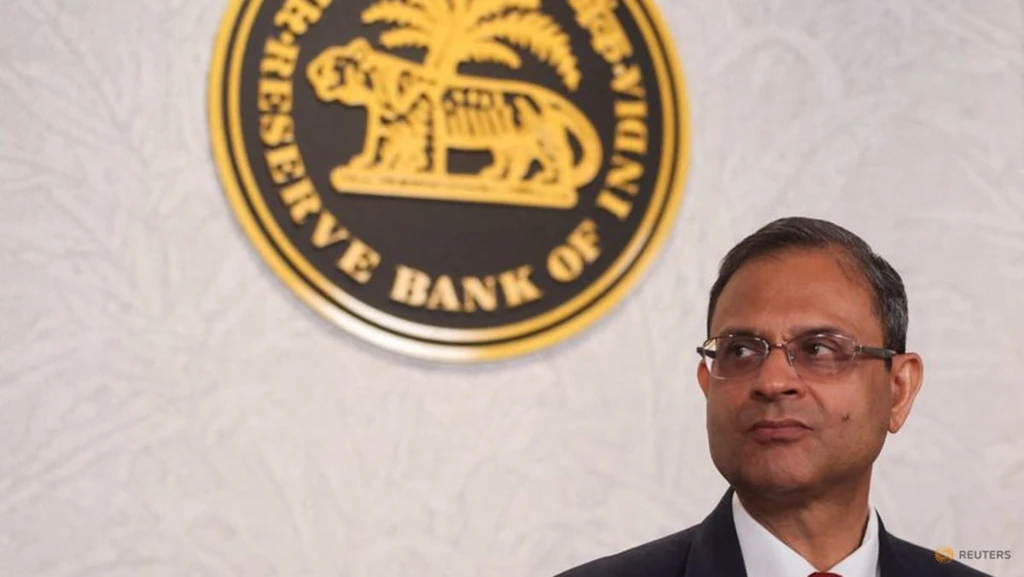
The Reserve Bank of India kept its policy rate unchanged at 5.25 percent on Friday and introduced new measures to attract dollar inflows, aiming to stabilize the rupee, which has fallen nearly 5 percent since the Gulf conflict erupted in late February.
The central bank scrapped capital gains tax for foreign holders of government bonds, improved dollar deposit schemes for non-resident Indians, and subsidized hedging costs for offshore borrowings.
RBI Governor Sanjay Malhotra said the global environment has deteriorated, and the Monetary Policy Committee voted unanimously to maintain a 'neutral' stance, waiting for greater clarity before making any changes.
Following the announcement, the 10-year bond yield eased to 6.96 percent, while the rupee strengthened 0.35 percent to 95.48 against the dollar. Benchmark equity indexes rose 0.2 percent.
The bank also revised its economic forecasts: average retail inflation for the fiscal year is now projected at 5.1 percent, up from 4.6 percent, while GDP growth is expected at 6.6 percent, down from a previous estimate of 6.9 percent.
Malhotra warned that the global outlook and a potential weak monsoon could add downside risks to growth, though high-frequency indicators like industrial output and the purchasing managers index remain steady.