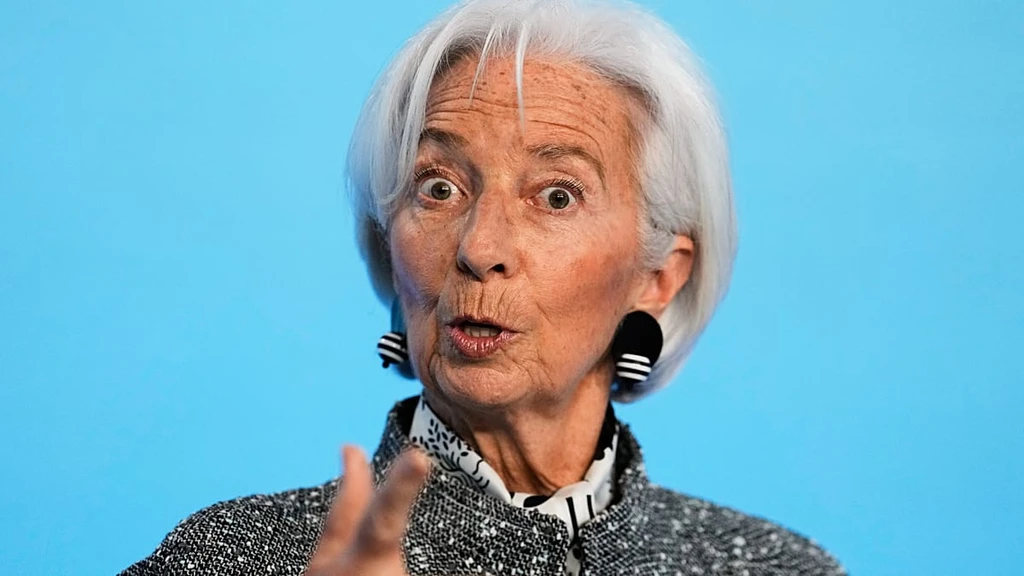
European Central Bank President Christine Lagarde issued a stark warning Thursday: the ongoing conflict involving Iran is creating significant upward pressure on inflation.
Speaking after the ECB’s latest Governing Council meeting, Lagarde stated the war has delivered a material shock to the economic outlook, primarily through surging oil and gas prices. The ECB now projects inflation at 2.6% in 2026, with risks tilted sharply higher.
If disruptions to energy supplies through the Strait of Hormuz intensify, inflation could climb to 3.5%-or as high as 4.4% in a severe scenario. Second-round effects, where energy costs push up wages and core prices, remain a key concern.
At the same time, eurozone growth has been downgraded to just 0.9% in 2026. This combination of rising inflation and weakening growth heightens stagflationary risks.
Lagarde emphasized the ECB is taking a meeting-by-meeting approach, refusing to pre-commit to rate moves. But analysts interpret her tone as hawkish-rate hikes are back on the table if inflation pressures persist.
Markets reacted sharply: the euro rose 0.5%, Brent crude hit $111 a barrel, and European equities slid. German Bund yields briefly touched 3%, a 2023 high. With geopolitical uncertainty unresolved, the ECB’s April 30 meeting looms large.