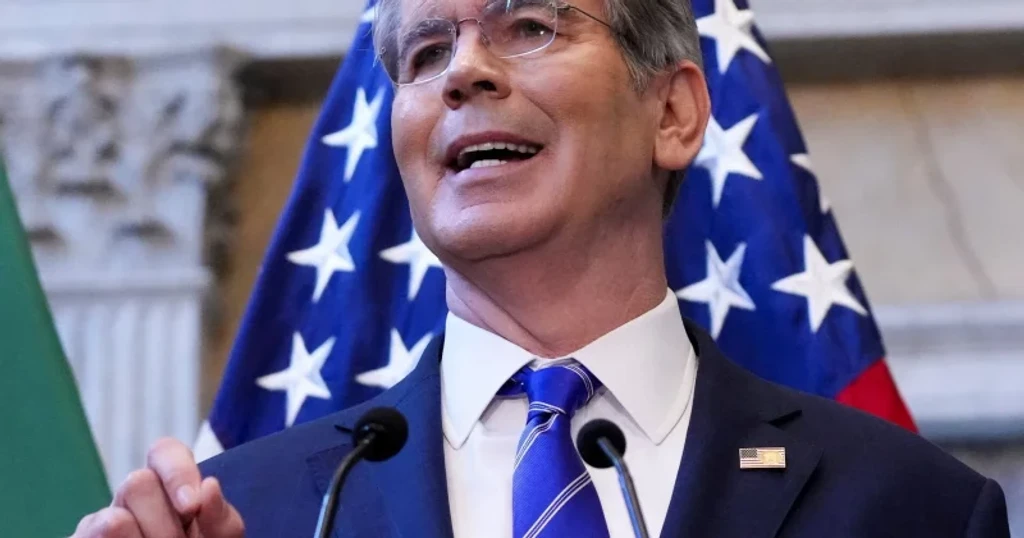
US Treasury Secretary Scott Bessent landed in Tokyo on May 12, delivering a key message: Washington won't fight Japan over the yen.
After meetings with Prime Minister Sanae Takaichi and Finance Minister Satsuki Katayama, Bessent called excessive currency volatility “undesirable.” For Japan, struggling with a weak yen driving up import costs, that’s a green light to stabilize the currency-potentially via Bank of Japan rate hikes.
This was Bessent’s 54th visit. His longstanding personal relationship with BOJ Governor Kazuo Ueda gives Washington an unusually direct channel into Japanese monetary policy.
Bessent also praised Japan’s economic resilience. The Nikkei topped 50,000 in October.
$550 Billion Commitment & Defense Ties
Japan has committed $550 billion to a US investment fund, underscoring the two economies' deep integration. The investment sits alongside enhanced defense cooperation and regional strategy.
The Dow Jones also hit notable highs, reflecting market optimism over the cooperative signals from Tokyo.
Investor Implications
A stronger yen could push Japanese institutions-among the world's largest holders of US Treasuries-to repatriate capital, potentially lifting Japanese bond yields and nudging US Treasury yields higher.
The $550 billion pledge signals Japan is doubling down on dollar-denominated assets, not diversifying away.
With Washington’s blessing, the path for BOJ rate hikes is clearer. Investors should watch BOJ communications closely.