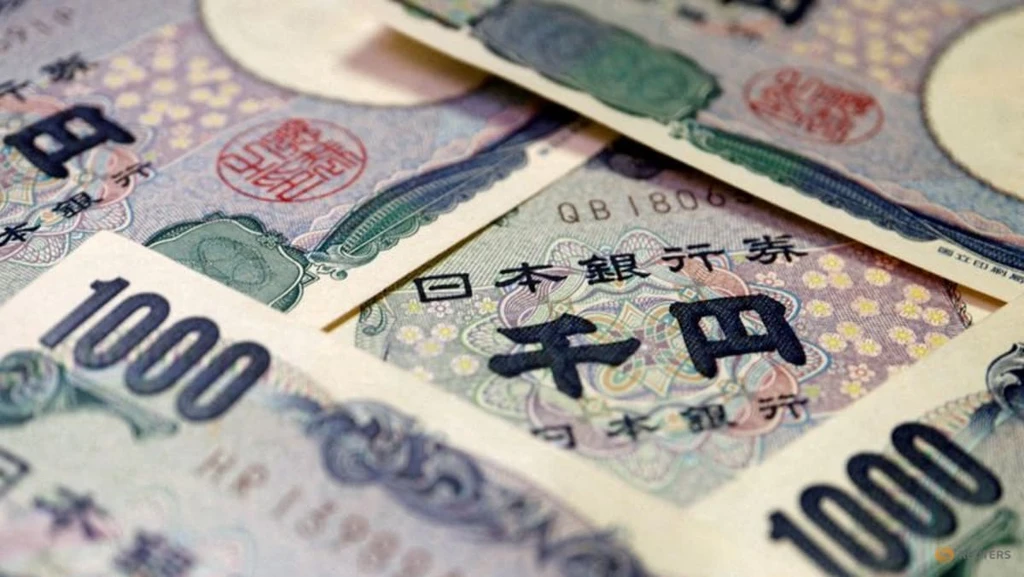
Japan's ability to intervene in currency markets is now more constrained, even as the yen approaches levels previously considered a trigger for action. Analysts suggest officials' reluctance to verbally support the currency could see it fall further against the dollar, potentially increasing import costs and inflation.
Unlike previous interventions in 2022 and 2024, which targeted yen selling related to U.S.-Japan interest rate differentials, the yen's recent decline is attributed more to safe-haven dollar demand and concerns over rising oil prices impacting Japan's economy. Policymakers privately believe that intervention now might be ineffective due to strong dollar demand, especially if Middle East conflicts persist.
Currency intervention is most effective when unwinding large speculative positions. Current data shows significantly smaller net short yen positions compared to July 2024, when Japan last engaged in extensive yen-buying intervention.
While Japanese authorities have increased warnings as the yen nears the 160-per-dollar mark, they have avoided specific references to speculative selling, a common justification for market intervention. Finance Minister Satsuki Katayama stated the government is prepared to act, considering the impact of currency movements on livelihoods.
Experts note that current yen weakness appears driven by fundamentals, not speculation. This limits Japan's ability to rely on G7 support for unilateral intervention. Consequently, Tokyo is focusing on international efforts to stabilize oil prices, seen as the root cause of market volatility.
If global coordination and verbal interventions fail, Japan may consider raising interest rates to narrow the gap with U.S. rates, a factor contributing to the yen's persistent decline. Some analysts suggest a rate hike could occur as early as April if yen depreciation pressures intensify, despite potential reluctance from the Bank of Japan.