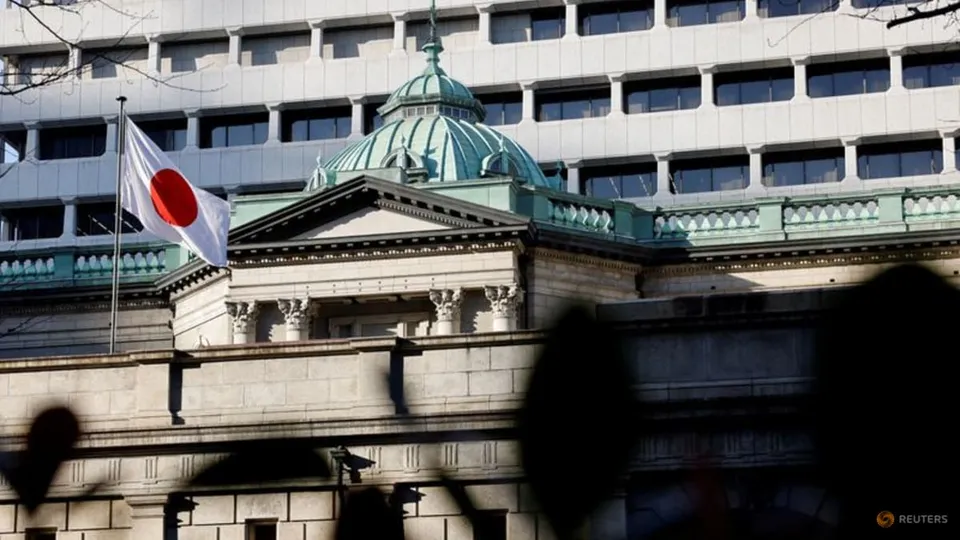
A potential Bank of Japan interest rate hike to 1 percent could cause a major reallocation of funds into bank deposits, potentially complicating the BOJ's monetary policy. This comes as Japan exits a long period of near-zero interest rates.
Ikuko Samikawa, lead economist at the Japan Center for Economic Research, explained that historically, when the BOJ's policy rate surpassed 0.5 percent, households moved significant cash into interest-bearing accounts. She believes the anticipated rise to 1 percent could serve as a trigger point for such inflows.
An increase in bank deposits would expand the overall balance financial institutions hold with the BOJ, exerting downward pressure on money market rates. Samikawa noted that predicting fund movements is challenging after a prolonged era of extensive money printing.
The BOJ is currently shrinking its balance sheet, which expanded significantly due to past stimulus measures. The bank's reserves held by financial institutions are substantial, and managing this balance will be key as rates adjust.