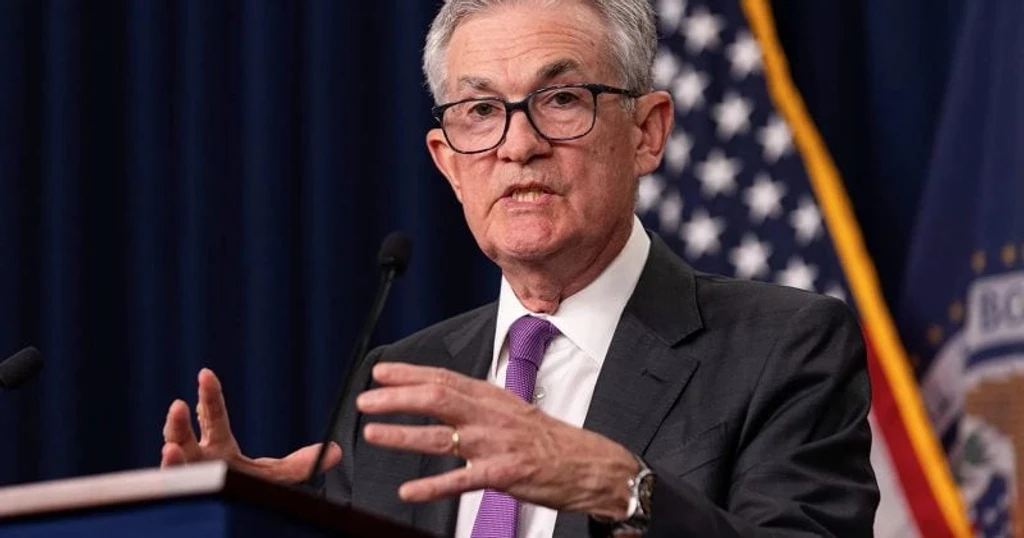
Jerome H. Powell is stepping down as chair of the Federal Reserve, closing out an eight-year tenure that spanned a pandemic, historic inflation, and aggressive rate hikes. He will remain on the Federal Reserve’s Board of Governors after relinquishing the chair.
Powell took the chair on February 5, 2018, appointed by then-President Donald Trump. His term was set to run through May 2026. Powell has said he "long planned on retiring" from the role, but political and legal pressures complicated the timeline. In March 2026, a court ruling quashed grand jury subpoenas aimed at Powell, an indication of the political pressure he faced. In January 2026, 11 major central banks issued a joint statement expressing solidarity with Powell during a hostile political environment.
The near-zero interest rate environment of 2020 and 2021 sent risk assets, including crypto, into the stratosphere. When Powell pivoted to fighting inflation with rate hikes starting in 2022, the same assets cratered. Beyond rates, Powell’s Fed shaped the regulatory atmosphere around stablecoins and banking access for crypto firms, contributing to an environment where banks were hesitant to serve crypto companies.
Powell’s decision to remain on the Board of Governors ensures continuity during the transition. He will still have a vote on monetary policy decisions. The stablecoin angle is worth watching closely. Legislative efforts around stablecoin regulation have been building momentum, and a new chair could accelerate or slow the Fed’s engagement with digital dollar alternatives.