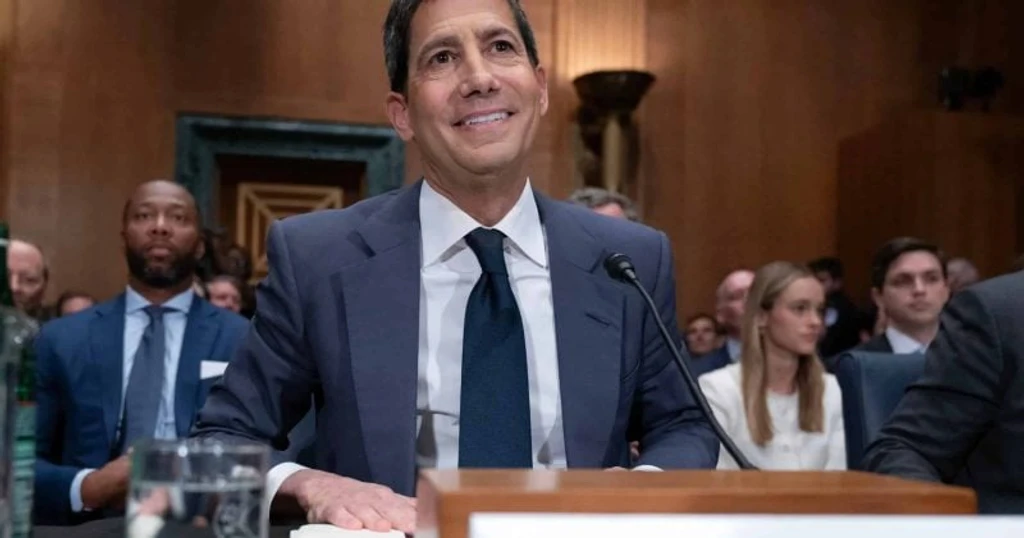
Kevin Warsh is expected to be confirmed as the next chair of the Federal Reserve, stepping into the role just as US inflation is projected to hit levels not seen in three years. Warsh will succeed Jerome Powell, inheriting a monetary policy landscape shaped by energy price spikes tied to the conflict with Iran.
The Federal Open Market Committee is divided over what to do next. Some members are still pushing for rate cuts, arguing the economy needs relief. Others see the inflation data and think cutting would be inadvisable.
Warsh’s arrival is expected to tip the scales toward a more hawkish stance. His track record suggests he’s more inclined to keep rates elevated, or even push them higher, to wrestle inflation back under control. That puts him on a collision course with the faction of the FOMC that believes the economy is fragile enough to warrant easing.
Adding to the complexity is political pressure from the Trump administration, which has historically favored lower interest rates.
Energy prices are a primary driver. The conflict with Iran has sent oil and gas costs climbing, and those increases ripple through everything from transportation to manufacturing.
Chicago Fed President Austan Goolsbee has flagged a phenomenon worth paying attention to: optimism about an AI-driven productivity boom is actually fueling near-term inflation. Businesses and consumers who believe they’re about to get richer tend to spend more now, pushing prices up today, even if the productivity gains that justify the optimism are still months or years away.