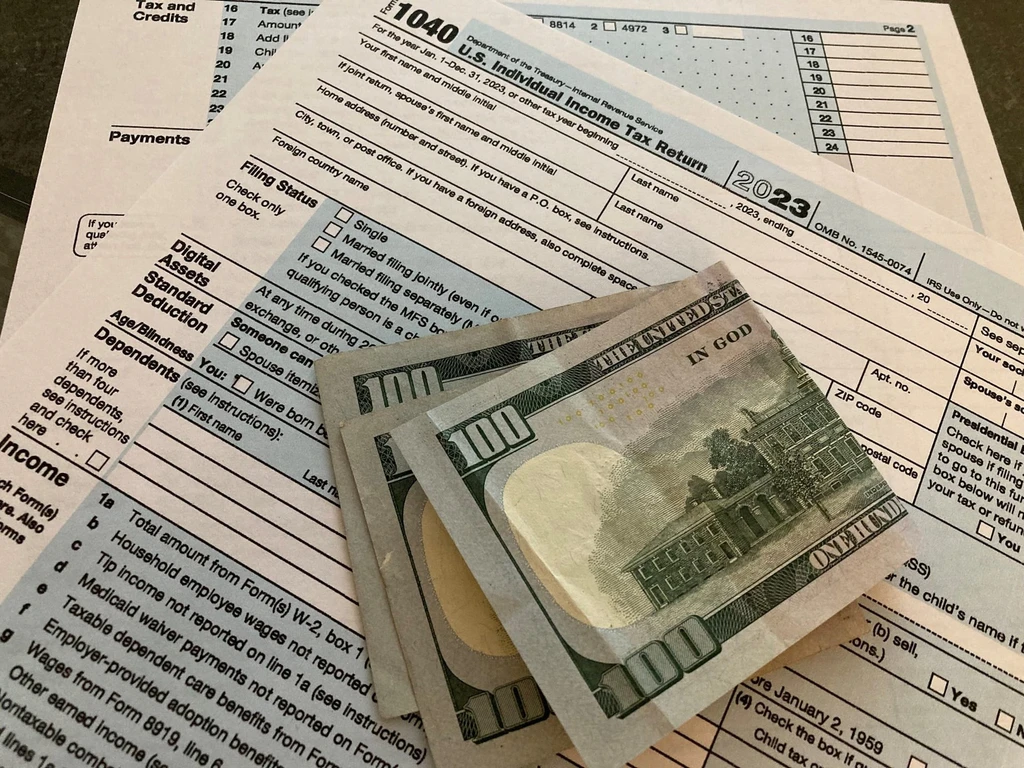
Millions of Americans may be eligible for an IRS tax refund stemming from COVID-19 relief measures. A federal court ruled that the COVID-19 public health emergency, from January 20, 2020, through May 11, 2023, qualified for a tax deadline postponement plus 60 days. This extended the deadline for tax year 2019 through 2022 filings to July 10, 2023.
Tax attorneys argue that without taxes due, the IRS may have had no right to levy penalties and interest during this period. Individuals and businesses charged penalties or interest between January 20, 2020, and July 10, 2023, may be eligible for a refund. Western Digital, for example, is seeking a refund on interest paid during this period.
The statute of limitations for refund claims generally allows three years from the filing date or two years from payment. For claims related to this ruling, the deadline to preserve eligibility is July 10, 2026.
To check for eligibility, taxpayers should review their tax records for any IRS penalties or interest assessed during the extended filing period. IRS tax account transcripts can provide this information, detailing payments, penalties, and interest with assessment dates. These transcripts are available online or by mail from the IRS.
Claims can be filed by tax professionals or by individuals using IRS Form 843. It is advised to specify that the claim is protective, based on the relevant court decision regarding Section 7508A(d) and the COVID-19 disaster period.