The Nasdaq-100 is undergoing a significant structural shift, replacing mature technology and telecom incumbents with high-growth artificial intelligence infrastructure players. Effective June 22, the index will welcome five new members: Astera Labs (ALAB), CoreWeave (CRWV), Nebius Group (NBIS), Rocket Lab (RKLB), and Teradyne (TER).
Concurrently, the index will shed Charter Communications (CHTR), Cognizant (CTSH), Insmed (INSM), Verisk Analytics (VRSK), and Zscaler (ZS). This quarterly rebalance underscores a broader market transition from legacy software and telecommunications toward the hardware and cloud capabilities driving the current AI boom.
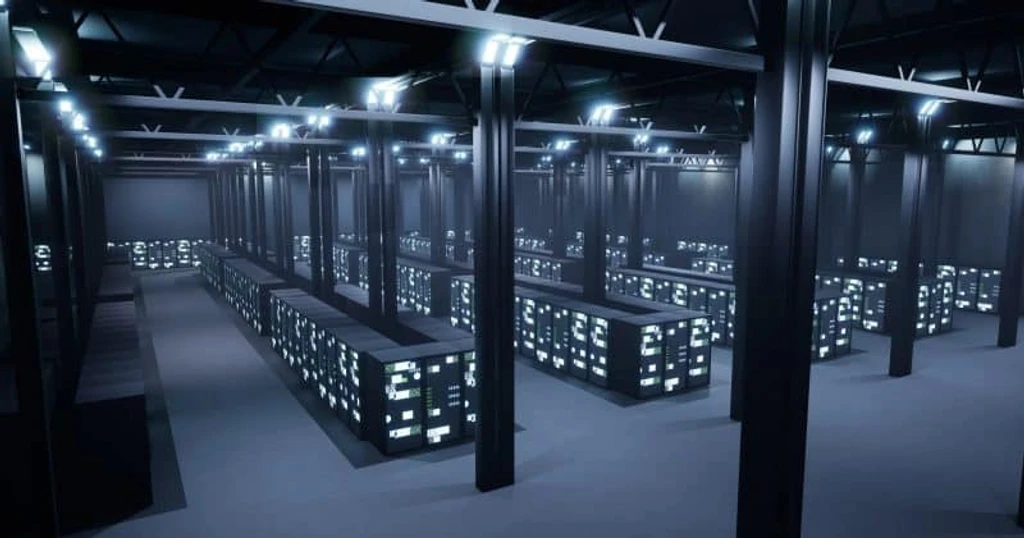
The new inclusions target critical components of the AI ecosystem. Astera Labs provides high-speed interconnectivity for data centers, ensuring processor efficiency. CoreWeave offers specialized cloud infrastructure optimized for Nvidia GPUs, catering to the intense computational demands of modern AI models. Nebius Group, formerly part of Yandex, contributes additional GPU cluster capacity, while Teradyne supplies essential semiconductor testing equipment.
Market reaction was immediate. Rocket Lab shares surged approximately 7% in after-hours trading, followed by a 5% climb for Nebius. These movements reflect the mechanical demand generated by passive funds tracking the index. The Invesco QQQ Trust, managing hundreds of billions in assets, must purchase these new constituents to maintain benchmark alignment, creating substantial upward pressure on their valuations.
Conversely, the removal of companies like Cognizant and Charter Communications introduces selling pressure from passive outflows. Cognizant’s exit marks the departure of a traditional IT services giant, while Charter’s removal highlights ongoing challenges in the cable sector. For investors holding QQQ or similar ETFs, this rebalance significantly increases exposure to the AI theme, further concentrating the index within mega-cap technology and emerging AI infrastructure providers.