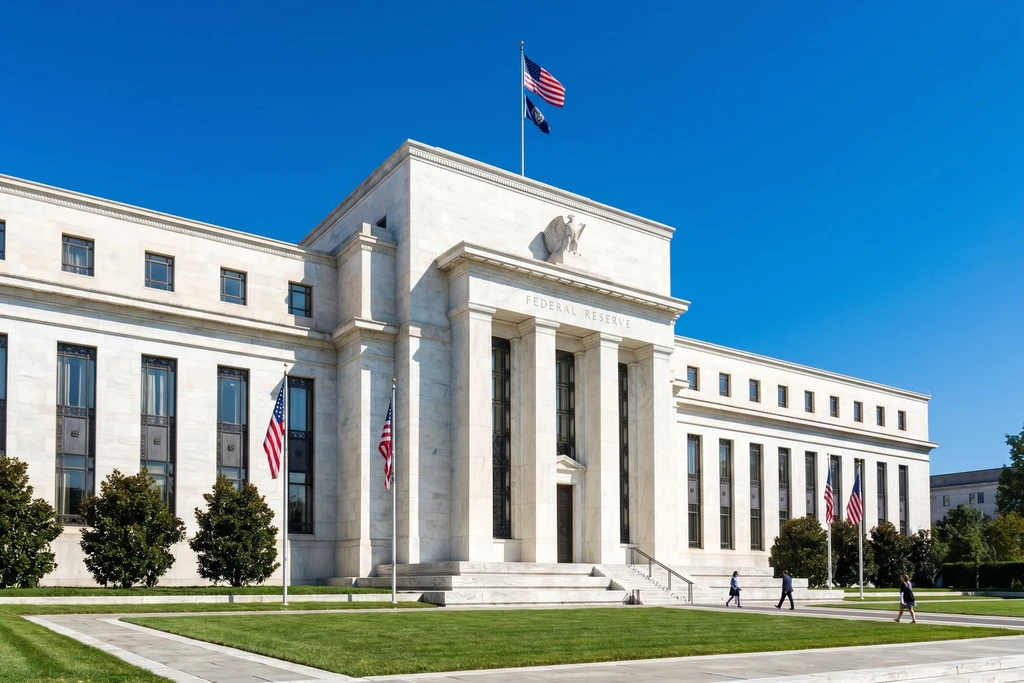
The Federal Reserve is expected to maintain its current interest rate policy at its upcoming two-day meeting. Inflationary pressures, driven by global events and new tariffs, are a primary concern, alongside lingering questions about the job market's stability. Economists widely predict the Fed will hold its benchmark rate steady within the 3.5% to 3.75% range.
Attention will also be on Federal Reserve Chair Jerome Powell's final press conference, potentially offering insights into the Fed's outlook on inflation versus job market weakness. Concerns about economic stagflation, a combination of high inflation and stagnant growth, are being closely watched by Fed officials.
The focus on interest rates may shift following the potential transition in Fed leadership. The confirmation of Kevin Warsh as the new Fed Chair, nominated by President Trump, has faced procedural delays. This pending change adds another layer of uncertainty to the Fed's future monetary policy direction, though experts suggest no immediate dramatic shifts are anticipated regardless of the appointee.
For consumers, the Fed's decision to hold rates steady typically signals a balanced approach to economic stimulation and inflation control. This stance reflects the complex economic landscape, where external factors like trade tariffs and oil prices impact inflation, while labor market dynamics and technological advancements influence hiring.