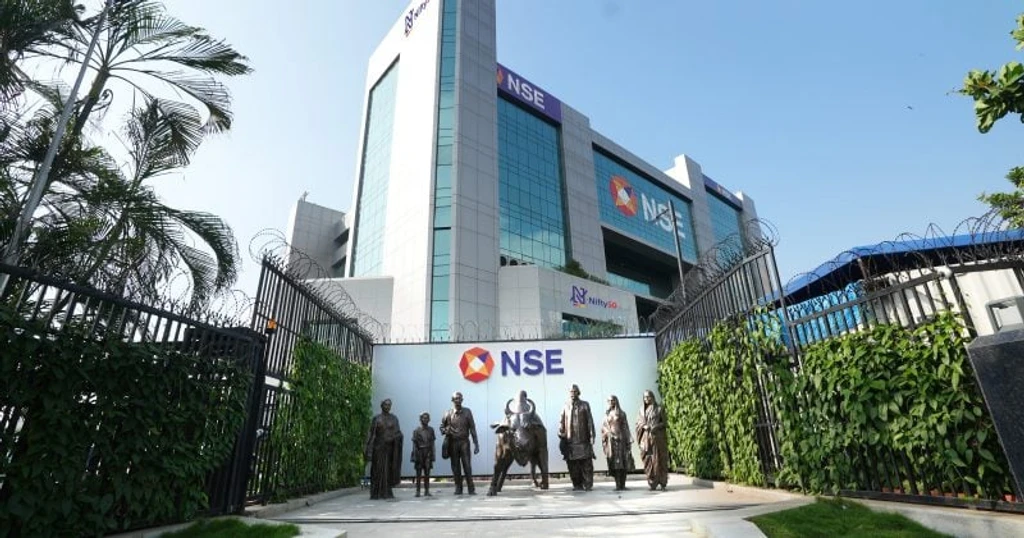
The National Stock Exchange of India has filed draft documents for what could become one of the nation's most significant initial public offerings. The exchange targets submitting its Draft Red Herring Prospectus to the Securities and Exchange Board of India by mid-June 2026. This filing marks a critical milestone in a listing process delayed by regulatory scrutiny for nearly a decade.
The offering is structured as a pure offer-for-sale, allowing existing shareholders to sell stakes rather than raising fresh capital. Dilution is expected between 4% and 5% of total equity. NSE’s unlisted valuation currently exceeds Rs 5 lakh crore, approximately $60 billion. Earlier estimates suggest the IPO size could reach Rs 23,000 crore, positioning it among the largest public offerings in Indian market history.
This transaction aims to provide liquidity for approximately 180,000 shareholders rather than fund corporate expansion. To manage the deal's scale, NSE is preparing to engage a syndicate of roughly 20 merchant bankers. Major shareholders include Life Insurance Corporation of India with a 10.72% stake and entities associated with State Bank of India.
The listing was previously frozen due to a co-location controversy involving alleged preferential trading access. NSE resolved this by paying Rs 1,388 crore to settle with SEBI. The regulator issued a no-objection certificate in January 2026, clearing the final hurdle for the exchange to enter execution mode.
For foreign institutional investors, a listed NSE serves as a proxy bet on the entire Indian capital markets ecosystem. At over $60 billion, the valuation rivals global peers like London Stock Exchange Group. The modest dilution limits supply but also restricts free float during early trading periods.