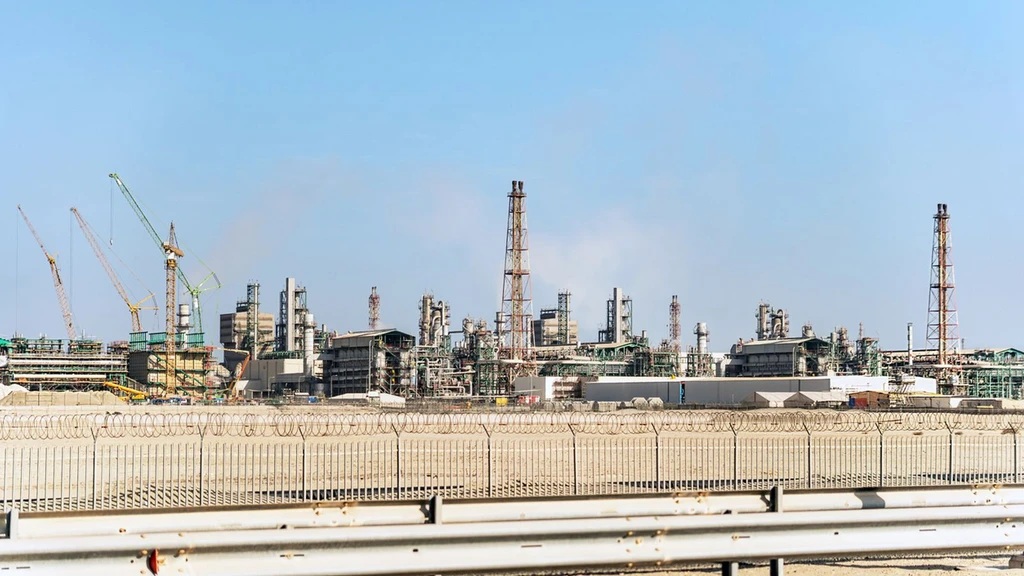
Global stock markets experienced a broad downturn following escalating conflict in the Middle East, yet energy and defense sectors showed resilience. Brent crude oil jumped as much as 13% to $82 per barrel before settling around $79, driven by confirmed production halts in major oil and gas nations due to aerial attacks. Saudi Arabia's largest oil refinery was shut down after sustaining damage.
Natural gas contracts for the UK saw significant spikes, with day-ahead delivery up over 30% and April delivery surging more than 50%. This follows Qatar's announcement that its state-owned energy firm has suspended liquefied natural gas (LNG) production, impacting approximately 20% of global LNG supply. While potential future bill increases are a concern, current price caps mean household bills are unlikely to change before July.
In stock markets, the FTSE 100 in London fell 1.2%. Defense stocks, including BAE Systems, saw gains of up to 6%, while energy firms also benefited from higher wholesale prices. Conversely, financial and travel shares suffered, with IAG down 5.5%. Major European indices like the DAX and CAC 40 also declined over 2%. The S&P 500 in the US saw a smaller dip of 0.2%.
Analysts note a flight to safety, with gold prices rising 2% and supporting precious metal miners. The dollar, Japanese yen, and Swiss franc also strengthened. The critical Strait of Hormuz, a vital shipping lane, remains a key concern. Its prolonged closure poses significant risks to supply, though current inventories and rerouting options offer a temporary buffer.