Brent crude fell to $75.55 per barrel on June 19 following the announcement of a US-Iran memorandum of understanding. The agreement immediately restored maritime access through the Strait of Hormuz, ending months of military tension that had driven prices above $100.
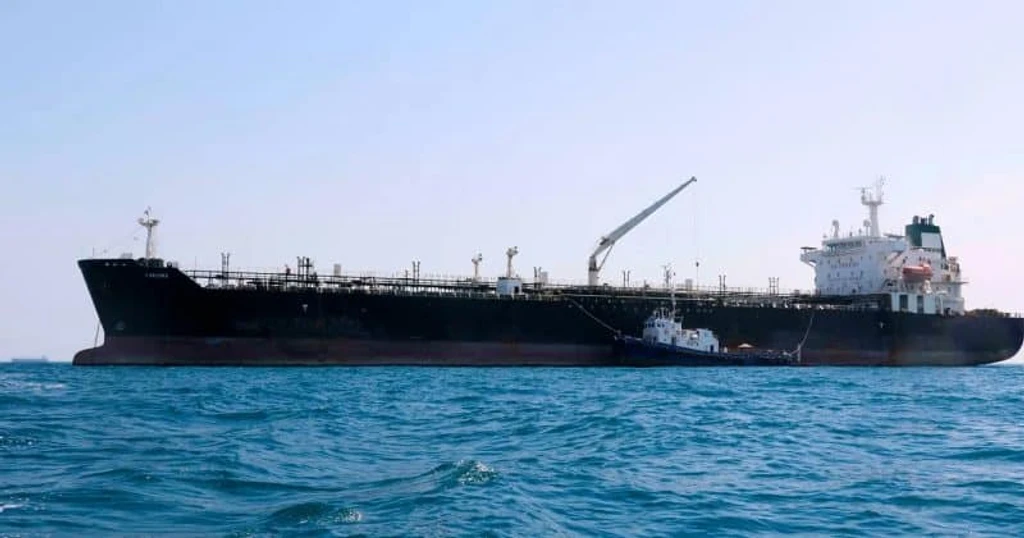
Multiple Saudi-flagged supertankers carrying six million barrels of crude transited the strait within hours of the deal. This rapid mobilization signals a significant shift in global energy logistics and marks a twenty-five percent decline from conflict highs.
The memorandum establishes a sixty-day toll-free passage window for oil tankers and initiates broader negotiations regarding Iran’s nuclear program. This timeframe allows markets to normalize shipping routes and rebuild depleted inventories before traders reassess geopolitical risk.
Concurrently, the diplomatic breakthrough has sidelined Tehran's exploration of Bitcoin and stablecoins for maritime toll payments. US authorities previously sanctioned $344 million in digital assets linked to this initiative, demonstrating strict enforcement where cryptocurrency intersects with national security.
Bitcoin rallied to nearly $67,000 following the peace announcement despite the suspension of crypto-toll experiments. Markets now face a critical two-month window to stabilize supply chains before the temporary agreement expires.