Brent crude has surged past $100 a barrel, climbing nearly 9% in Asian trading. This rise occurs even as all 32 members of the International Energy Agency (IEA) committed to releasing 400 million barrels of oil reserves in response to ongoing supply concerns.
Iran has warned that oil prices could reach $200 a barrel, citing intensified attacks on ships in the Strait of Hormuz, a critical waterway for energy shipments. An Islamic Revolutionary Guard Corps spokesperson stated that any vessel linked to the US, Israel, or their allies would be targeted, attributing price volatility to regional insecurity.
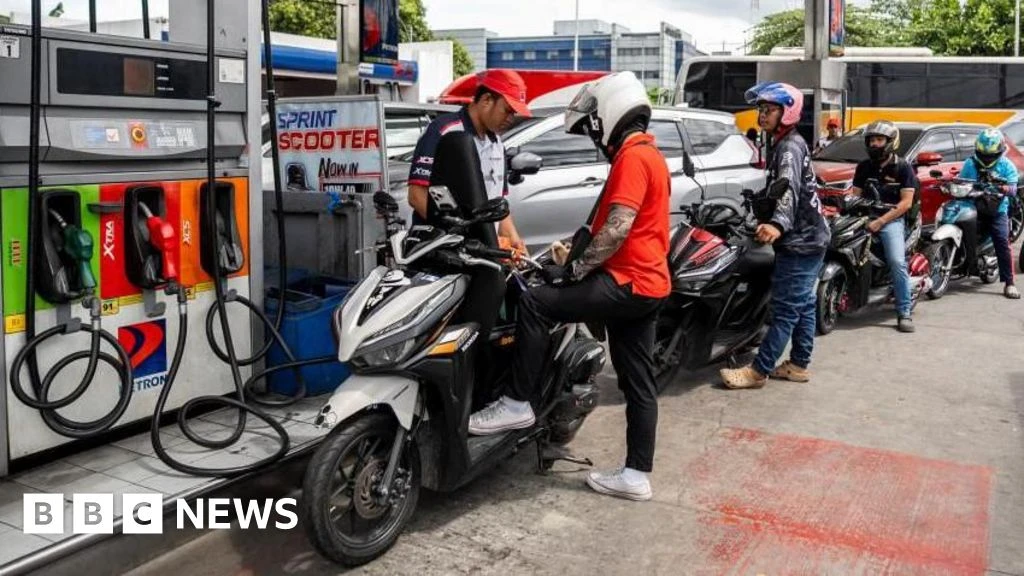
The Strait of Hormuz is vital to the global economy, typically handling about a fifth of the world's energy supplies. The IEA's reserve release is more than double the previous record set after Russia's invasion of Ukraine in 2022. Global oil markets have experienced significant volatility since late February, with Brent crude nearing $120 earlier this week, driving up fuel prices worldwide. In the US, average gasoline prices have exceeded $3.50 a gallon. Many Asian nations, heavily dependent on Middle Eastern energy, are experiencing severe impacts, leading to measures like four-day work weeks for government employees in the Philippines to conserve energy.