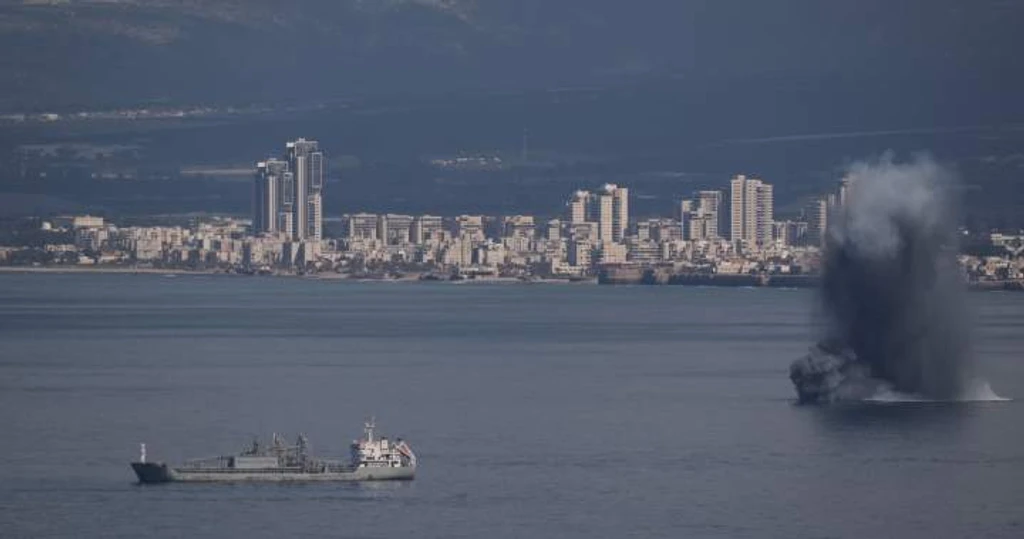
Oil markets are poised for price volatility next week following U.S. and Israeli strikes on Iran. The full impact on Middle East oil supplies is still unclear.
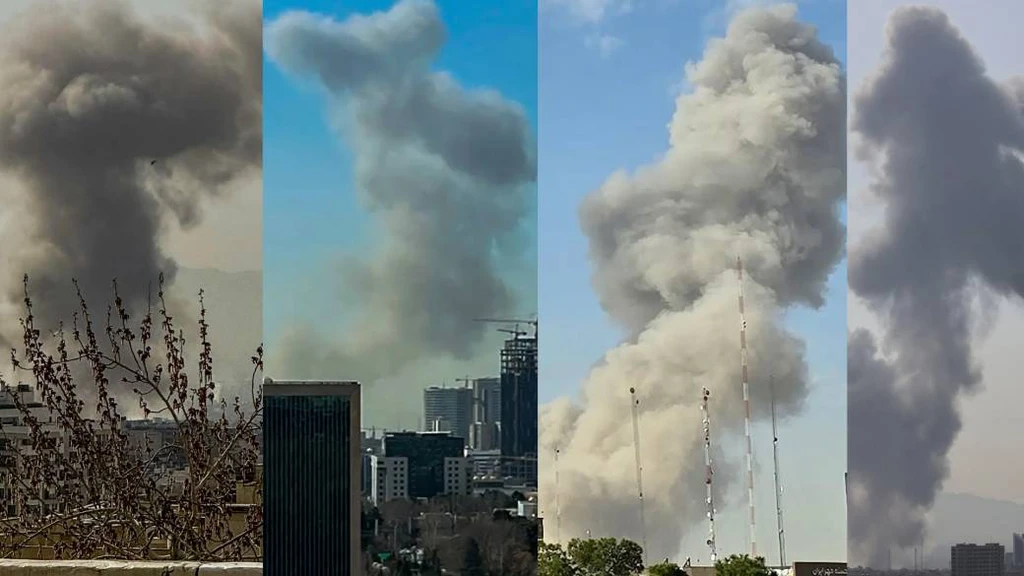
Analysts previously forecasted a quick price spike that would fade if oil shipping and infrastructure remained unaffected. However, significant price increases and lasting impacts are expected if oil infrastructure or supplies are disrupted, particularly through the Strait of Hormuz.
International benchmark Brent crude closed at a seven-month high of US$72.87 on Friday, driven by war fears. Iran exports approximately 1.6 million barrels of oil daily, primarily to China.

Disruptions to this supply could force Chinese customers to seek oil on the global market, potentially driving up prices. The Strait of Hormuz, a critical chokepoint for 20 percent of global oil supply, is another key concern, though analysts suggest Iran has little incentive to disrupt traffic as it would impact its own exports.

Limited strikes avoiding regime change or all-out war could cause prices to jump US$5-US$10 due to fear alone. A wider conflict involving disruptions to tanker traffic could push crude prices past US$90 per barrel, with U.S. gas prices potentially exceeding US$3 per gallon.