A significant surge in jet fuel prices, climbing from US$85-US$90 per barrel to US$150-US$200 per barrel, is reshaping the global aviation industry. Fuel now represents up to a quarter of airlines' operating expenses.
Air New Zealand is implementing broad fare increases, with one-way economy fares rising by NZ$10 on domestic routes, NZ$20 on short-haul international, and NZ$90 on long-haul flights. The airline has also suspended its fiscal 2026 earnings forecast due to market volatility.
Cathay Pacific Airways reviewed its fuel surcharges monthly and maintained them at US$72.90 on flights between Hong Kong and Europe or North America last month, while adding flights to London and Zurich.
Hong Kong Airlines will increase fuel surcharges by up to 35.2% starting Thursday, with the sharpest rise on routes to the Maldives, Bangladesh, and Nepal.
IAG, the owner of British Airways, is not planning immediate ticket price hikes due to existing fuel hedging.
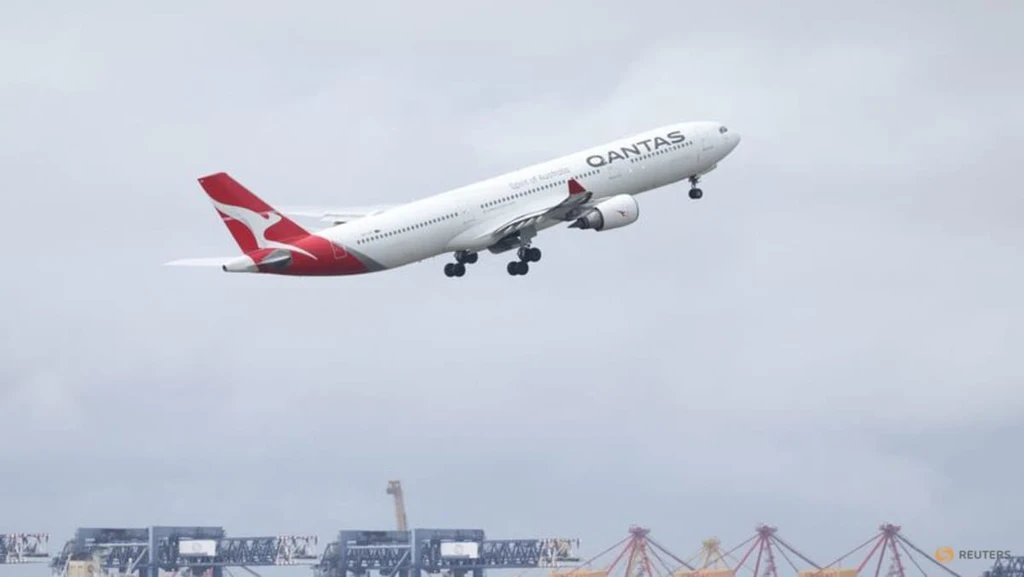
Qantas Airways announced fare increases on its international routes for the week of March 9 and is considering adding capacity on Europe routes.
SAS (Scandinavian Airlines) has implemented a temporary price adjustment to counter rising jet fuel prices.
Thai Airways will raise fares by 10% to 15% to offset increased fuel costs.
United Airlines CEO Scott Kirby anticipates a "meaningful" impact on first-quarter results from surging fuel prices.
Vietnam Airlines has requested government assistance to remove an environmental tax on jet fuel, as operating costs for Vietnamese carriers have surged approximately 70%.