Global stocks declined and oil prices remained elevated as the ongoing Iran conflict disrupts energy supplies, fueling inflation and interest rate concerns.
Oil prices hovered near $100 per barrel, significantly higher than before recent U.S. and Israeli strikes on Iran. On Wall Street, the S&P 500 and Nasdaq Composite saw dips, while European shares also extended declines. The U.S. dollar strengthened, acting as a safe haven.
President Trump indicated strong action against Iran, even as a partial waiver for Russian oil purchases was issued to mitigate price surges. Brent crude futures reached $101.47 and West Texas Intermediate crude traded at $96.77.
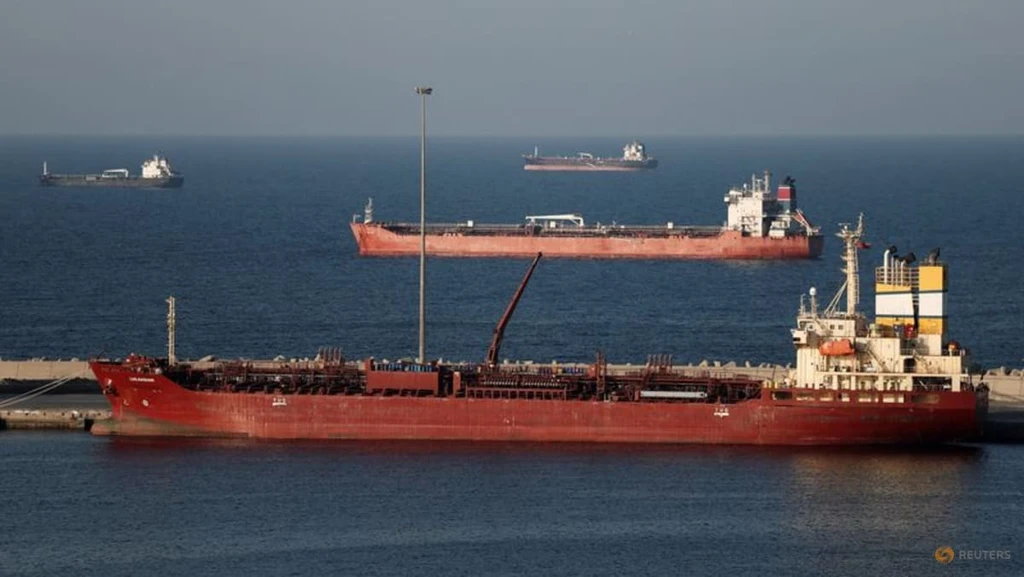
Geopolitical tensions and potential disruptions to the Strait of Hormuz are driving expectations of prolonged conflict and sustained high oil prices. This has led markets to re-evaluate central bank policies, with traders anticipating fewer interest rate cuts from the Federal Reserve. Two-year Treasury yields hit a six-month high.
Despite signs of U.S. economic slowing in the fourth quarter, persistent inflation data supports the view that the Fed will maintain its current interest rate stance. This contrasts with earlier expectations of significant rate cuts.
Investor focus shifts to upcoming policy meetings from major central banks, with most expected to hold rates steady. The euro weakened against the dollar, and the Japanese yen hit a multi-month low, prompting warnings from Japanese authorities.
Gold prices also saw a decline.