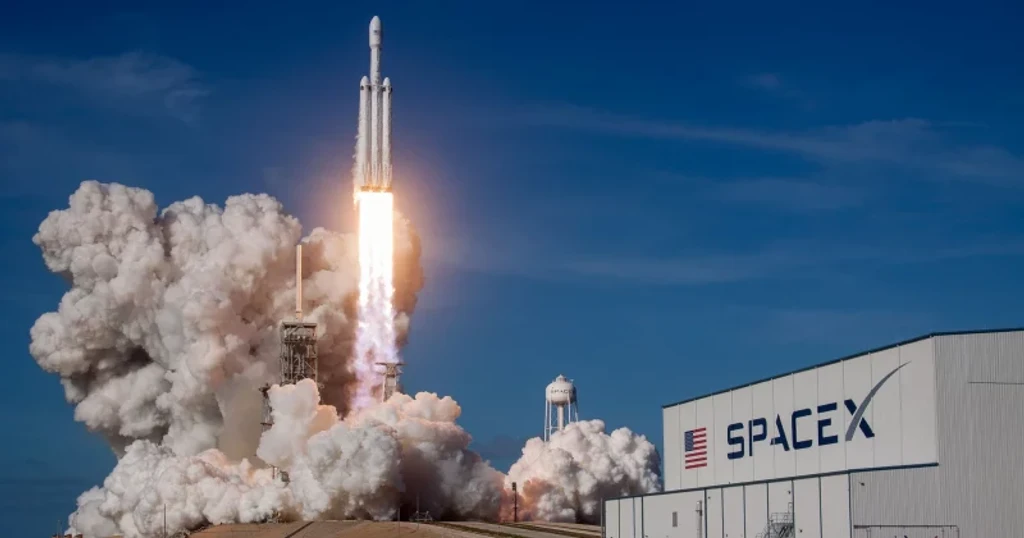
S&P Dow Jones Indices has confirmed it will not revise its eligibility rules for major indices like the S&P 500, meaning even a $1.75 trillion IPO candidate like SpaceX must wait at least a year before being considered.
The decision, announced June 4 after a formal consultation, maintains key requirements: a 12-month seasoning period, positive GAAP earnings in the most recent quarter and trailing four quarters, and a minimum public float threshold. SpaceX reported a $4.94 billion GAAP loss in 2025 and plans to offer less than 5% of shares initially, making immediate inclusion impossible under current rules.
This creates a split among index providers. Nasdaq and FTSE Russell have adjusted rules to allow faster entry for large IPOs, while S&P insists on financial health and operational history over sheer size. The divergence could mean a company like SpaceX appears in Nasdaq and FTSE-linked products but not S&P-linked ones, potentially confusing retail investors.
For investors, the delay means passive S&P 500 funds won't automatically buy SpaceX shares for at least a year post-IPO, forcing reliance on active demand and potentially volatile price discovery given the small float and significant losses.