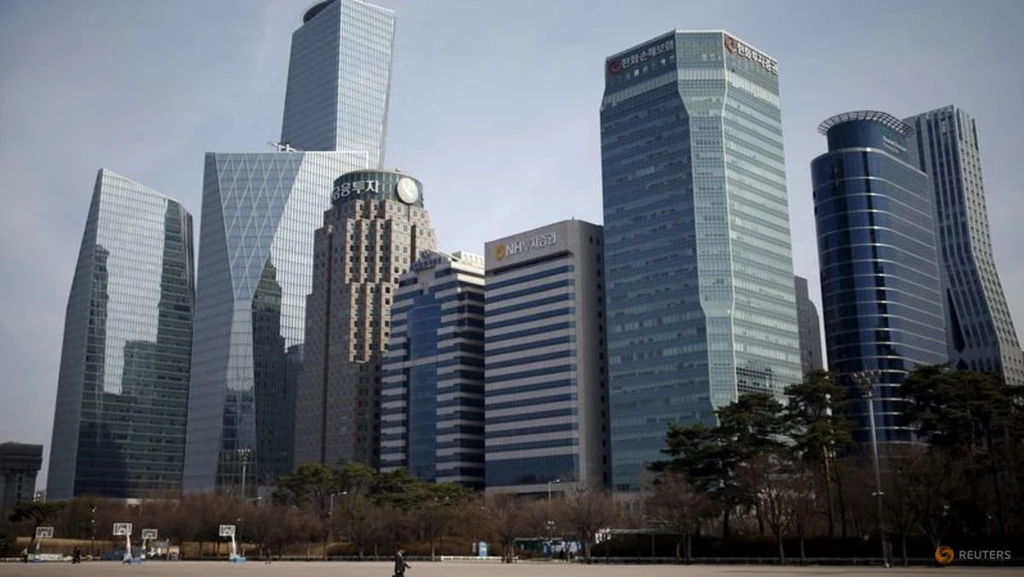
South Korean Justice Minister Jung Sung-ho affirmed that the government will maintain transparent regulations for investors and continue corporate governance reform, despite business opposition. These efforts target the "Korea Discount," a phenomenon where South Korean companies are undervalued compared to global peers, often due to opaque, family-controlled conglomerate structures.
Recent amendments to commercial law, including enhanced board accountability and new independent director requirements, address investor demands for nearly two decades. Minister Jung highlighted that improved governance is expected to increase company valuations. He acknowledged the need to balance reforms with corporate culture, citing how founding families at Samsung Electronics and SK Hynix have taken investment risks that professional managers might avoid.
South Korea's stock market, influenced by companies like Samsung and SK Hynix, experienced a significant surge in early 2026 driven by an AI chip boom and market-friendly reforms, though later faced volatility. Jung emphasized that the goal is not to dismantle ownership structures but to maximize investment returns. He stated that if current structures yield the highest profits for investors in Korea, they can be accepted.
Addressing concerns about regulator impartiality against powerful conglomerates, Jung asserted that the era of state direction of corporate outcomes has ended. He characterized past scandals as aberrations. Foreign investors are closely monitoring the government's actions. South Korea has achieved favorable outcomes in major investor-state dispute settlement (ISDS) cases and is developing new regulations to coordinate future ISDS strategies.