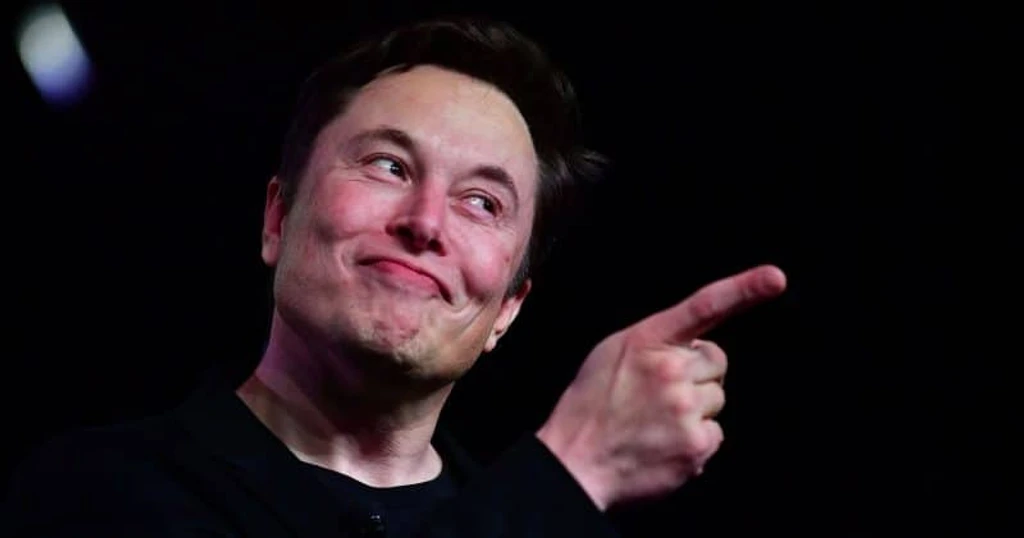
SpaceX officially commenced public trading on June 12 under the ticker SPCX on the Nasdaq. The aerospace leader raised a historic $75 billion in its initial public offering, shattering previous records. Elon Musk rang the opening bell remotely from Starbase, Texas, while President Gwynne Shotwell and CFO Bret Johnsen managed proceedings in New York.
The IPO priced shares at $135, but market indications pointed to an opening near $175. This represents an approximate 30% surge before most retail investors could execute orders. At the IPO price, SpaceX’s valuation stood at $1.77 trillion. If shares hold near the $175 mark, the company’s value exceeds $2 trillion.
This capital raise dwarfs the previous record holder, Saudi Aramco, which secured $29 billion in 2019. SpaceX raised more than 2.5 times that amount, securing a war chest triple the size of NASA’s annual budget.
Despite the fanfare, only 5% of total shares entered the market. The vast majority of equity remains in private hands. This limited float creates a dynamic where high demand can drive prices well beyond fundamental value. However, it also means fewer shares are available to cushion potential selloffs if sentiment shifts.
Investors must monitor the lockup period closely. With 95% of shares still restricted, the eventual release of insider holdings typically 90 to 180 days post-IPO could create significant downward pressure. The bull case relies on SpaceX’s dominance in global launch services and revenue from its Starlink satellite internet constellation.