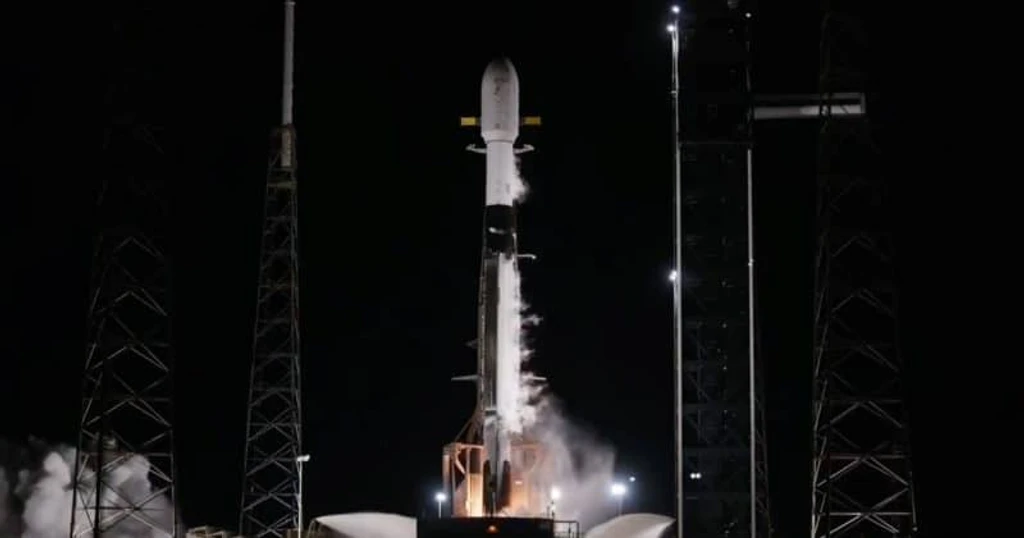
SpaceX officially listed on the Nasdaq under the ticker $SPCX on June 12, 2026, marking the most ambitious public offering in corporate history. The aerospace giant raised $75 billion by selling approximately 555.6 million shares at $135 each, securing a staggering valuation of $1.77 trillion.
Despite the market enthusiasm, veteran tech investor Dan Niles has issued a stark warning. Niles argues that SpaceX is trading at 90 to 95 times trailing revenue while posting $4.2 billion in annual operating losses. He highlights a concerning deceleration in growth, with year-over-year revenue increases dropping from 35% in 2024 to just 15% in recent quarters.
The bull case relies on a $28.5 trillion total addressable market driven by AI infrastructure and global connectivity. However, capturing this share requires immense capital expenditure that could strain the balance sheet for years. Niles distinguishes between SpaceX as a transformative company and $SPCX as a potentially dangerous stock at current levels.
Initial trading saw shares surge 20-30% to between $150 and $176. Niles attributes this near-term strength to impending inclusion in major indices like the Russell and Nasdaq-100. This mechanical buying by ETFs creates artificial demand that masks underlying liquidity pressures. Once this index-driven momentum fades, the stock must justify its valuation through organic fundamentals.
The IPO also intersects with the crypto market, where tokenized assets and perpetual futures tied to SpaceX equity had already gained traction on platforms like HashKey and BNB Chain throughout 2025. Investors now face a critical question: can SpaceX re-accelerate growth to support a nearly $1.8 trillion price tag once the initial hype subsides?