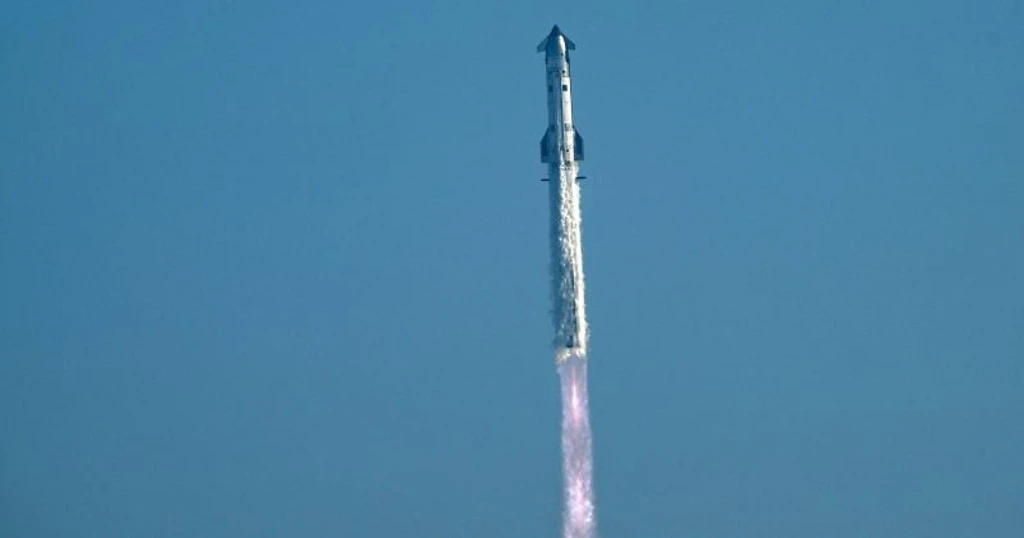
SpaceX has officially become the world's most expensive initial public offering, pricing shares at $135 on June 3 to achieve a staggering $1.77 trillion valuation. The company raised approximately $75 billion, nearly tripling the previous record held by Saudi Aramco in 2019. Trading is scheduled to begin on Nasdaq under the ticker SPCX on June 13.
This valuation implies a price-to-sales ratio of roughly 92 times based on SpaceX’s $18.7 billion in 2025 revenue. For context, even the most speculative tech stocks during the dot-com bubble traded at significantly lower multiples. Tesla, Musk’s other major venture, rarely exceeded 20 times sales during its peak euphoria.
While revenue growth is impressive, profitability remains elusive. SpaceX reported a net loss of $4.9 billion for 2025, indicating that capital expenditures for rocket launches and satellite deployments are outpacing income. The bull case relies heavily on three pillars: the Falcon and Starship programs, the recurring revenue from Starlink internet services, and emerging AI-adjacent technologies.
The balance sheet also holds 18,712 Bitcoin, valued at approximately $1.29 billion. While this makes SpaceX a notable corporate holder, it represents less than 0.1% of the total valuation and is unlikely to move markets independently.
Investors remain sharply divided. Optimists view SpaceX as a generational innovator with decades of growth ahead. Skeptics argue the valuation prices in a decade of flawless execution. Any stumble in Starlink subscriber growth or Starship operational readiness could trigger swift and painful multiple compression.