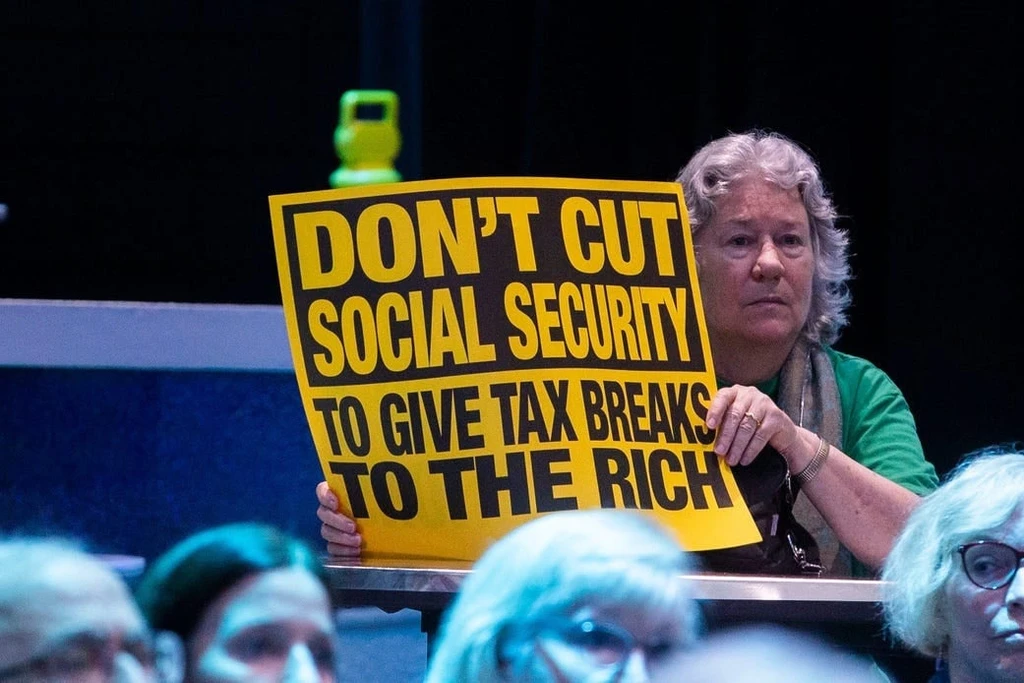
Social Security’s trust fund is now projected to run dry by late 2032, triggering an automatic twenty-two percent cut to monthly benefits. That translates to roughly five hundred dollars less for the average retiree. For sixteen years, program costs have outpaced payroll tax revenue, draining reserves a year sooner than previous forecasts.
Lawmakers now face mounting pressure. A recent bipartisan poll shows ninety-six percent of voters demanding clear solutions from candidates ahead of the November elections. The incoming Congress will ultimately decide whether to let the fund collapse or implement structural reforms.
Policy experts point to established options on the table: raising or eliminating the payroll tax cap, increasing the payroll tax rate, capping annual benefits, or gradually raising the full retirement age. The consensus among economists is clear. The financial tools exist to secure the program for decades to come. The real challenge remains political will.