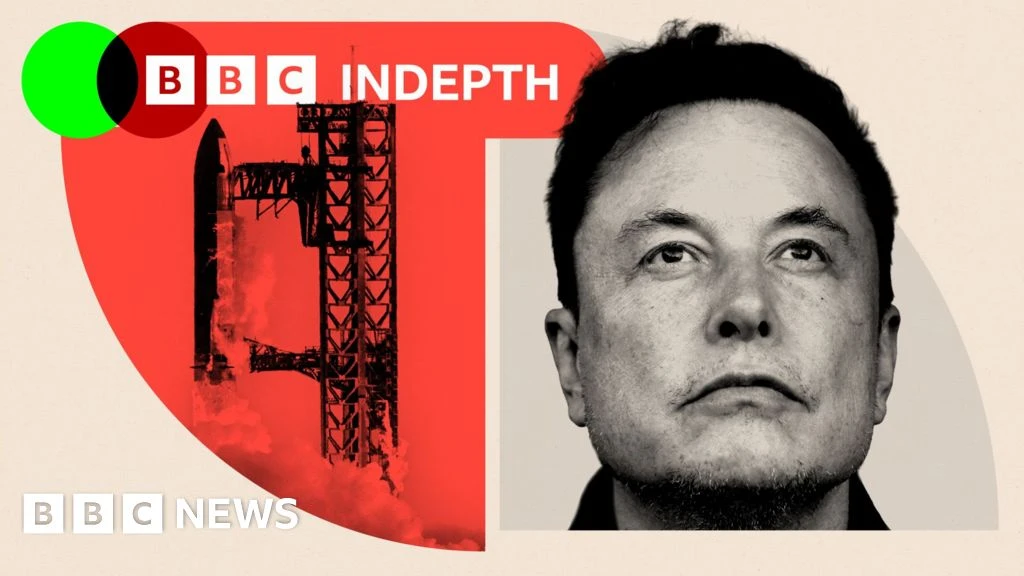
SpaceX, Elon Musk's rocket company, is going public. On June 12, trading begins for shares in a firm valued at $1.75 trillion-placing it among the top 10 most valuable companies on Earth. This is the most significant stock sale in history.
For years, SpaceX was reserved for Musk and a select group of private investors. Now, retail investors-including those in the UK-can buy in. Hargreaves Lansdown reports a surge of interest.
But what are investors actually buying? SpaceX is more than rockets. It includes Starlink, a profitable satellite communications network, and xAI, Musk's artificial intelligence company. The prospectus estimates a total addressable market of $28.5 trillion, with $26.5 trillion of that in AI. That bet means investors are wagering AI will become as large as the entire US or European economy.
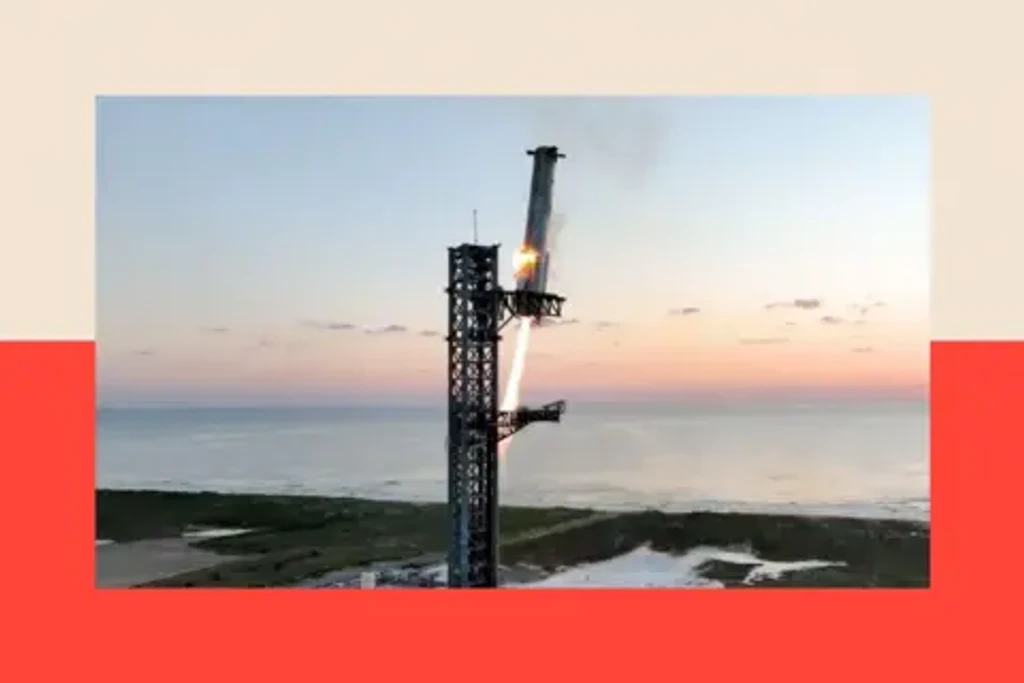
The company lost nearly $5 billion last year, yet its valuation has surged from $40 billion in 2020 to $1.75 trillion today. Critics call it a bet on the Elon Musk brand-not on space or AI fundamentals. "It's an Elon Musk ego project," says former NASA economist Sinead O'Sullivan.
Musk controls 85% of the voting power despite owning only 42% of the company. That concentration of control-and his controversial political activities, including a $300 million donation to Donald Trump's campaign-gives some investors pause. As one institutional investor put it, "the cult of Elon Musk requires disciples to pay a premium for the questionable privilege of having no real say in how the company is run."
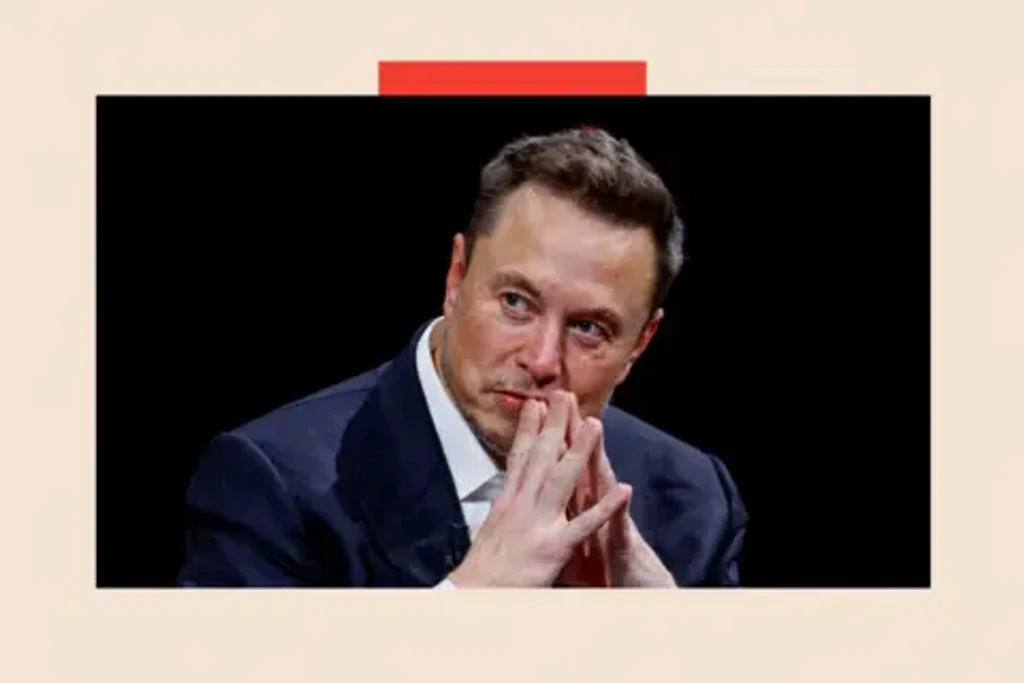
Yet betting against Musk has historically been unwise. Tesla's market cap soared despite plateauing production, driven by promises of robotics. SpaceX's IPO is just the first of a wave of AI-related mega-listings, including Anthropic and OpenAI. Some fear a dot-com-style bubble, but the sheer scale of these offerings-trillions of dollars in new shares-could overwhelm demand.
For now, all eyes are on the launch pad. The future of space, AI, and investing may hang in the balance.