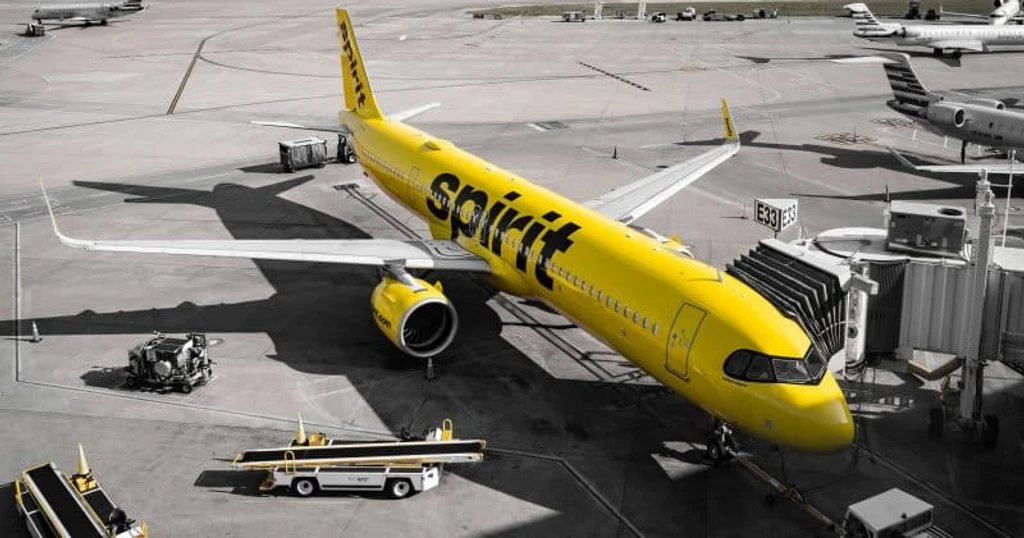
Spirit Airlines stock (FLYYQ) plummeted over 70% Friday as the ultra-low-cost carrier edged toward its final landing after Washington’s $500 million rescue plan stalled and creditor talks collapsed.
The Miramar, Florida-based airline has been unable to reach a viable agreement with creditors or secure financing to continue flying.
Just last week, the Trump administration floated a rescue package of up to $500 million for Spirit. The proposed deal would have provided a government loan in exchange for warrants, potentially safeguarding thousands of jobs.
Critics, including rival airline executives, say the intervention is unnecessary given industry stability and warn that selective government intervention could distort competition.
Despite public discussion, no rescue deal has been finalized. Spirit is now reportedly moving toward liquidation, which would make it the first major US airline to fail since 2008.
After a steep morning sell-off, FLYYQ recovered part of its losses, trading above $1 but still down roughly 21% on the day.
Financial collapse
Spirit had been running low on liquidity for months, weighed down by elevated jet fuel costs tied to the war in Iran and a persistent inability to rebuild passenger demand to pre-pandemic levels. The combination proved fatal to a business model built on razor-thin margins.
A previously blocked merger with JetBlue also reduced its ability to stabilize operations. A 2024 federal court ruling blocked JetBlue’s proposed $3.8 billion acquisition of Spirit on antitrust grounds, concluding the deal would reduce competition.
Structural weaknesses
The carrier had been losing ground since the pandemic as legacy airlines adopted more aggressive pricing on basic economy fares, eroding the cost advantage of ultra-low-cost carriers.
Revenue per available seat mile remained under pressure at Spirit even as larger competitors like Delta Air Lines and United Airlines posted strong earnings. The war in Iran accelerated the decline as jet fuel prices surged.
Market implications
A potential liquidation would remove approximately 200 aircraft from the US domestic market and eliminate service on numerous routes where Spirit served as the sole low-fare competitor, likely increasing ticket prices.
The fallout could also affect around 13,000 employees and millions of passengers.