SpaceX has officially entered the public markets, executing the largest initial public offering in history. On June 12, the aerospace giant began trading on the Nasdaq Global Select Market under the ticker SPCX. The company raised nearly $75 billion by selling 555.6 million shares at an IPO price of $135.
Trading opened at $150 per share and surged over 22% to exceed $168 by noon, demonstrating significant volatility and outperforming major tech peers like Intel and Seagate Technology.
The listing carries immediate implications for Tesla, which holds a substantial stake of 19 million SpaceX shares. Consequently, fluctuations in SPCX directly impact Tesla’s balance sheet. Market analysts observe that retail investors are already rotating capital from Tesla into SpaceX, contributing to an 8% decline in Tesla stock over the past month.
Wall Street remains fixated on potential synergies between the two Elon Musk-led entities. While no formal merger has been announced, the interconnected ownership structures continue to drive speculative investment strategies.
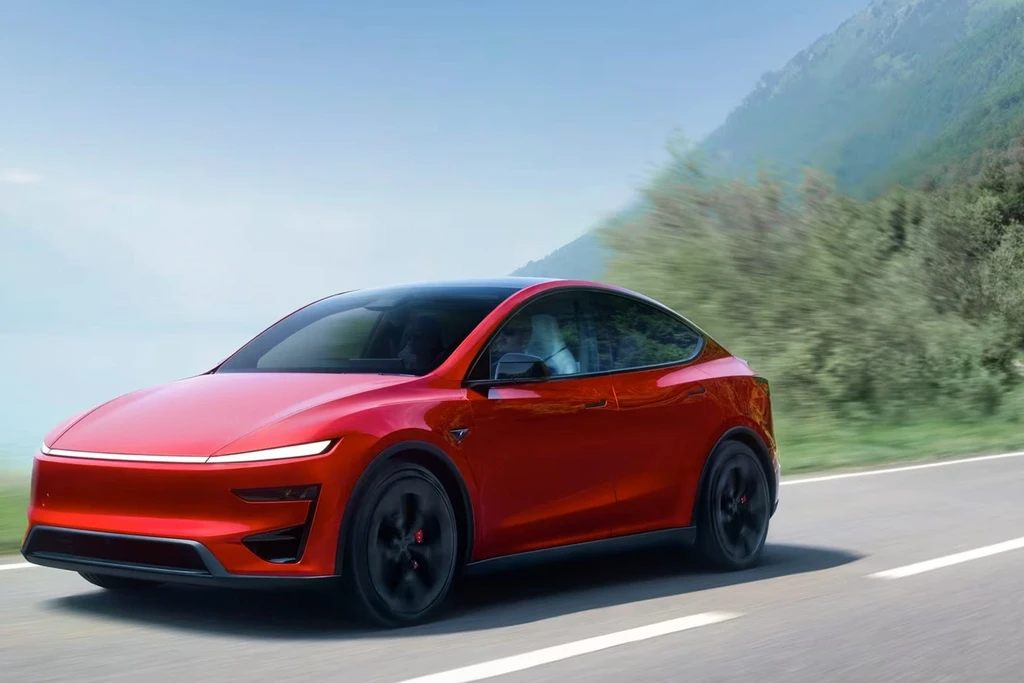
Tesla stock currently trades at $396.24, down 9% year-to-date in 2026 despite a 24% gain over the previous year. The automaker is navigating a transformative period, shifting focus toward the Model Y Juniper, the Cybercab robotaxi service, and the Optimus humanoid robot. Production of the Model S and Model X has ceased to prioritize these next-generation technologies.
As SpaceX stabilizes its public valuation, Tesla investors face a new dynamic: exposure to the aerospace sector is now unavoidable, whether through direct equity holdings or broader market sentiment surrounding Musk’s industrial empire.