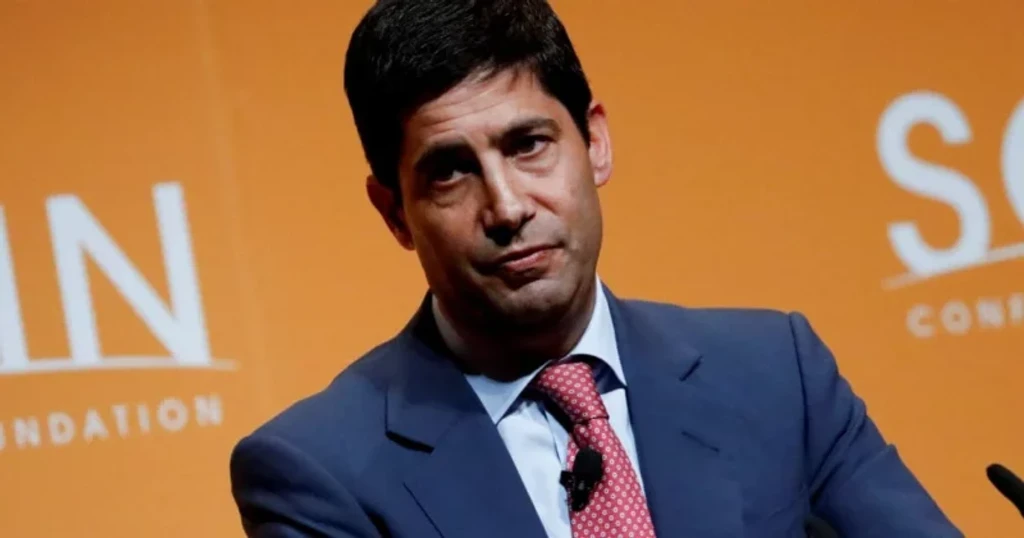
When President Trump nominated Kevin Warsh to lead the Federal Reserve in late January 2026, the playbook seemed obvious: install a friendly face, push for lower interest rates, weaken the dollar, and let cheaper borrowing fuel the economy. Four months later, that script has been quietly rewritten.
Trump’s messaging shifted noticeably in May 2026, with the president indicating he would let Warsh act independently on interest rate decisions.
From rate cuts to rate holds
Warsh was sworn in as Fed Chair on May 22, 2026, after clearing Senate confirmation. His appointment was originally read by markets as a signal that cheaper money was coming. Trump wanted lower borrowing costs. Warsh, despite a reputation as an inflation hawk from his earlier stint as a Fed governor, had more recently warmed to the idea of lower rates.
Rising inflation pressures, driven by geopolitical tensions and broader market shifts, have changed the calculus. Markets are now pricing in higher odds of rate holds or even hikes heading into 2026 and 2027.
The crypto-curious Fed chair
During his confirmation process, Warsh disclosed stakes in over a dozen blockchain entities. He has described Bitcoin as “an important asset” and acknowledged digital assets as part of the broader financial fabric. He has committed to divesting most of those holdings quickly.
What this means for investors
The immediate market implication is straightforward: the era of hoping for imminent rate cuts needs to be shelved, at least for now. With bond yields elevated and inflation still a live concern, equities face headwinds from tighter-than-expected monetary conditions.
For crypto specifically, a Fed chair who calls Bitcoin “an important asset” could accelerate institutional legitimacy and potentially lead to more favorable regulatory outcomes. However, if Warsh ends up raising rates or holding them higher for longer to fight inflation, the macro environment turns hostile for risk assets.
Warsh’s confirmation also revealed significant interest in balance sheet reductions, another form of tightening that can quietly drain liquidity from markets.