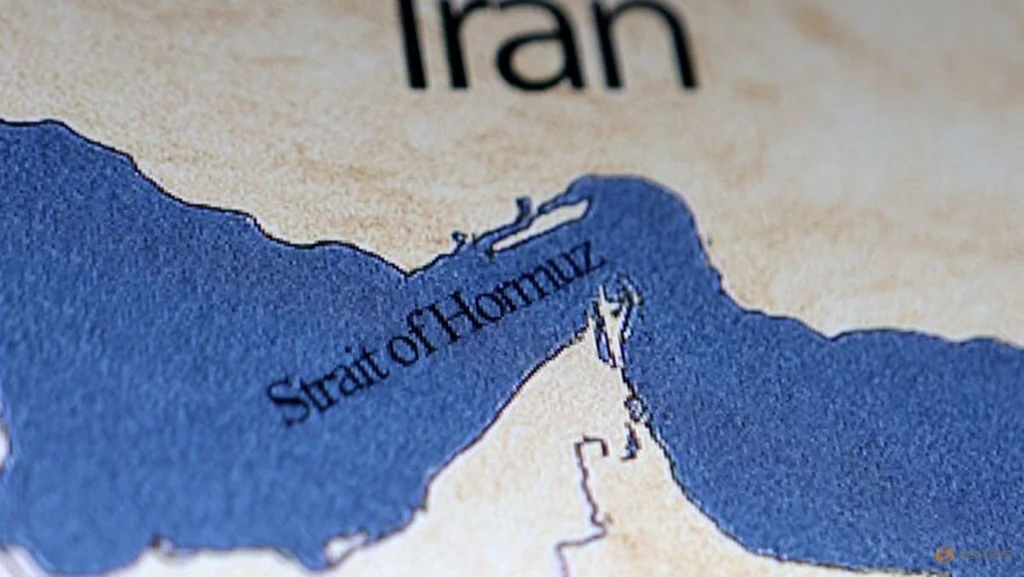
The global AI economy faces a hidden vulnerability: its reliance on petroleum flowing through the Strait of Hormuz. This critical waterway is intertwined with the very building blocks of modern technology.
South Korea manufactures over half of the world's DRAM and NAND memory chips, while Taiwan produces approximately 70% of advanced processing chips for smartphones, PCs, and data centers. Both nations are heavily dependent on liquefied natural gas (LNG) exports from Qatar.
Recent military actions have disrupted Qatar's Ras Laffan gas plant, triggering a force majeure and halting output. This has led to significant sell-offs in energy-exposed Asian stock markets, with South Korea's Kospi index and Taiwan's Taiex index experiencing substantial drops. Countries like Japan, while using LNG for a third of their electricity, import only about 5% from Qatar and the UAE.
South Korea and Taiwan appear most vulnerable due to their gas-dependent grids and reliance on Gulf imports. Their limited LNG storage capacity, sufficient for less than two months in South Korea and under a month in Taiwan, exacerbates this risk. Any prolonged disruption at the Strait of Hormuz could quickly impact power supply, affecting chip foundries.
While LNG is available on the spot market at a premium, and Australia and the US could increase exports, this situation serves as a stark wake-up call. Unlike Europe and China, which have diversified energy sources, Northeast Asian democracies have moved towards greater energy import dependence. Taiwan has closed its nuclear plants and enacted laws hindering solar farm construction, while South Korea faces similar regulatory hurdles for renewables.
Geopolitical emergencies often highlight energy policy vulnerabilities. The current crisis underscores the world's dependence on the volatile Strait of Hormuz and the urgent need for South Korea and Taiwan to address their energy weaknesses.