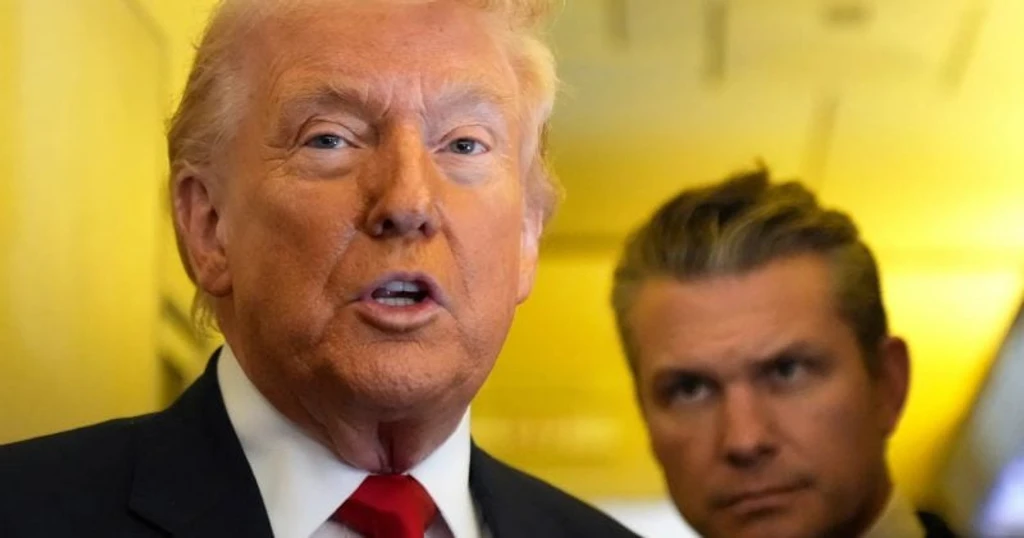
President Donald Trump has issued a formal directive to military leadership, stating that Iran will "pay" for the deaths of three American soldiers killed during Operation Epic Fury. The declaration follows an engagement where five additional service members were injured.
The stated objectives reportedly include regime change in Tehran and dismantling Iran's military capabilities, with a focus on its nuclear program. The escalation has triggered domestic political backlash and intensified Congressional discussions around war powers.
For global markets, the primary transmission mechanism is oil. A serious confrontation threatens to disrupt supply through the Strait of Hormuz, a critical chokepoint for roughly a fifth of the world's petroleum. Rising oil prices function as a tax on the global economy, pushing inflation higher and making central banks less likely to cut interest rates.
This creates a hostile macro environment for risk assets, including cryptocurrency. Bitcoin and crypto have developed a strong correlation with liquidity conditions and rate expectations. A sustained oil shock complicates the narrative around rate cuts that has fueled recent rallies.
Additionally, military escalation tends to bring stricter sanctions enforcement. The U.S. Treasury has historically increased scrutiny on financial flows, including through crypto exchanges and DeFi protocols, during periods of heightened tension with Iran.
Key metrics for investors to monitor include oil prices, inflation expectations, Fed funds futures, and the U.S. dollar's strength, as these are the channels through which this distant conflict impacts portfolios.