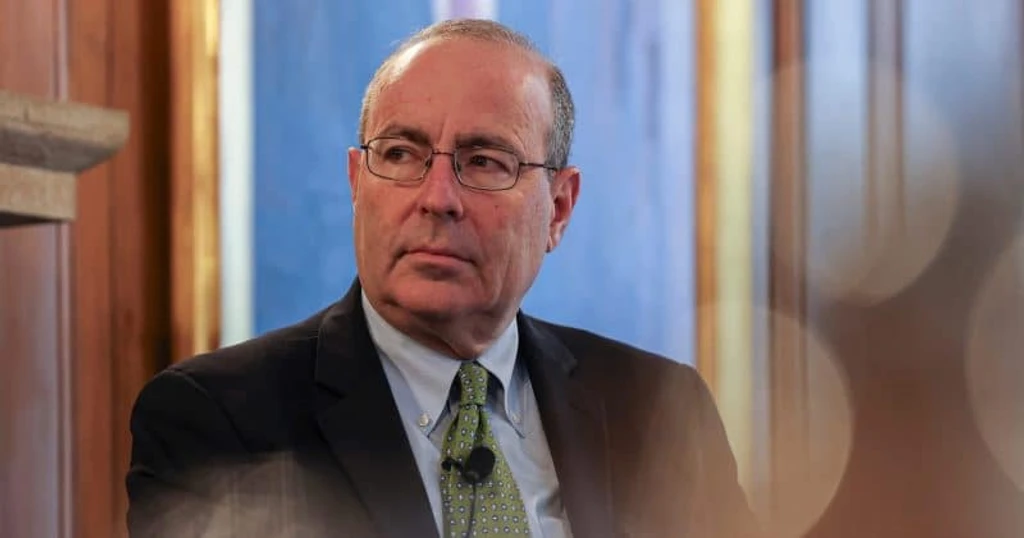
Richmond Fed President Tom Barkin is encouraged by falling gasoline prices. The decline follows the US-Iran ceasefire agreement in late May 2026, which sent oil prices tumbling.
US gasoline prices had peaked between $4.16 and $4.39 per gallon during the conflict. Oil prices have since dropped more than 15%, with crude falling below the $80 to $95 per barrel range that defined the disruption period.
Barkin has highlighted the dual challenge of energy shocks. While the Fed can theoretically look through temporary disruptions, prolonged ones can affect broader price expectations. The ceasefire appears to be pulling the situation back toward the "temporary" category.
For the Fed, easing energy costs reduce near-term inflationary pressure. This provides policymakers more flexibility on rate decisions without appearing to ignore price stability.
Cryptocurrency markets reacted to the initial ceasefire announcement in April 2026, with Bitcoin surging past $72,000. By mid-June, Bitcoin was holding above $65,000. Lower energy costs also improve mining margins by reducing operational expenses.
The risk remains that the 60-day ceasefire does not hold permanently. If tensions resume, oil and gasoline prices could re-accelerate, closing the Fed's brief window of policy flexibility.