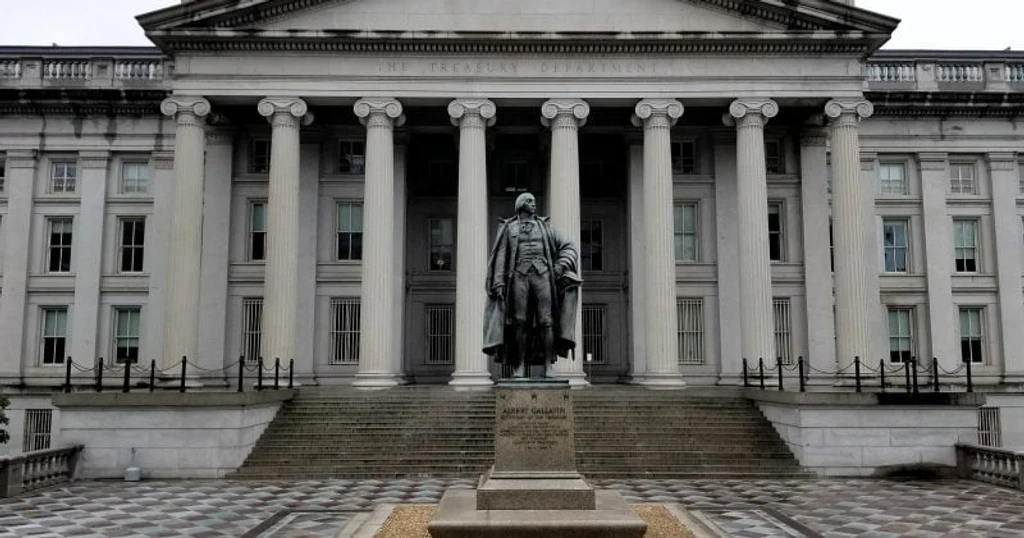
The US Treasury faces a severe liquidity challenge as tariff refunds outpace new revenue collections. A landmark Supreme Court ruling on February 20, 2026, declared that the International Emergency Economic Powers Act does not authorize tariffs, invalidating the legal basis for significant trade duties.
Importers are now reclaiming approximately $166 billion in previously collected funds. Customs and Border Protection activated the CAPE system in May to manage this surge. As of June 2026, over $95 billion is queued for processing, with $23 billion already transmitted for disbursement. Projections indicate payouts could exceed $40 billion by month's end.
New tariffs under Section 122 of the 1974 Trade Act fail to offset these massive outflows. While fiscal year 2025 tariff collections reached record highs of $195 billion, current refund volumes have created immediate net cash drains. Litigation regarding interest payments on principal refunds threatens to further inflate government liabilities.
This fiscal strain carries broad market implications. Import-dependent sectors like retail and manufacturing may benefit from cash infusions, but bond markets face rising risks. Increased borrowing to cover refund gaps could push Treasury yields higher, elevating costs for mortgages and corporate debt. Crypto investors are monitoring this deterioration in sovereign credit confidence as a potential catalyst for capital rotation into uncorrelated assets through 2027.