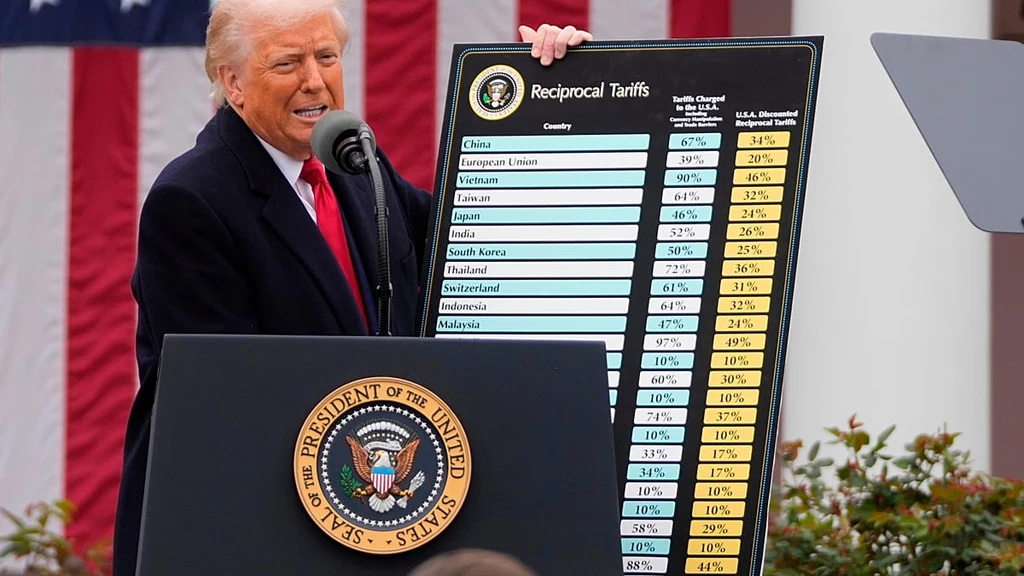
President Trump has imposed a 50% tariff on most Canadian goods, invoking Section 338 of the 1930 Trade Act. The action, excluding energy and critical minerals, targets products previously shielded by the US-Mexico-Canada Agreement.
The White House stated the tariffs will take effect in 30 days, leaving room for negotiations. The administration official cited Canada's retaliation against earlier tariffs and alleged discrimination against U.S. autos, alcohol, and cheese.
Canadian Prime Minister Mark Carney signaled a willingness to negotiate but warned the dispute raises costs for families. Ontario Premier Doug Ford urged a reciprocal "tariff for tariff, dollar for dollar" response.
Experts warn the use of the Depression-era law injects "massive uncertainty" into the global economy. The move presents political risks for Trump ahead of midterm elections, as tariffs can fuel inflation. Critics argue the taxes will raise prices for American consumers.
The dispute underscores a strained relationship between the two leaders, with tensions playing out at recent international events like the World Cup final and the World Economic Forum in Davos.