The US technology stock sector has faced early headwinds in 2026, driven by artificial intelligence disruption anxieties and a shift towards lagging sectors. The market's ability to achieve significant gains hinges on the performance of this heavyweight sector.
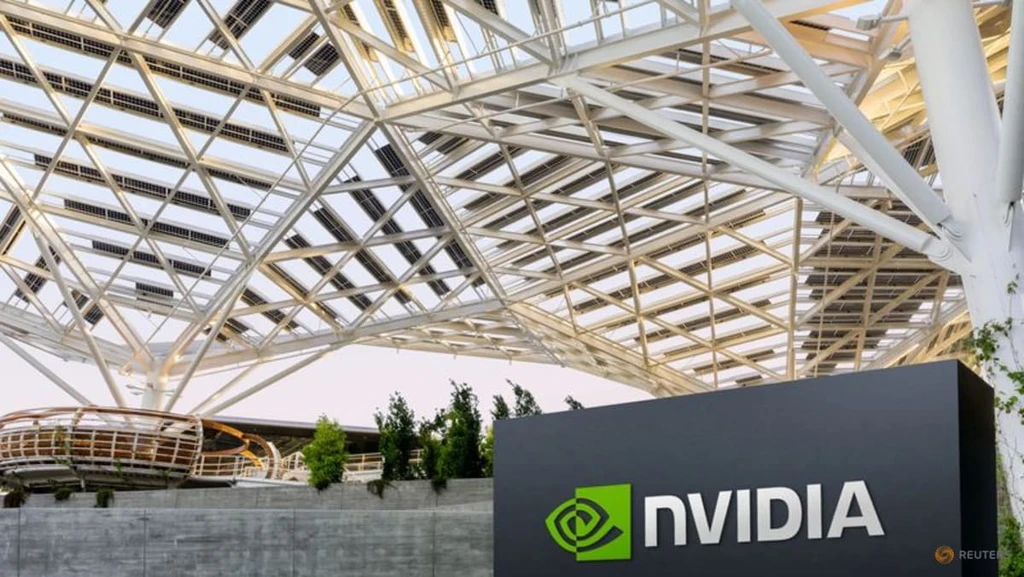
Nvidia's quarterly report this Wednesday is the next crucial test for tech. Investors are evaluating whether recent AI-driven selloffs have been excessive and anticipating a potential turning point for pressured stocks. As a key AI bellwether, Nvidia's results and future outlook will likely influence the broader industry.
"AI will continue to disrupt the world, but I don't think it's the end of the world," stated Ken Polcari, partner and chief market strategist at Slatestone Wealth. "Like every industrial revolution, there will be anxiety, but new opportunities will emerge."
The S&P 500 technology sector has declined 3.5% year-to-date, marking its weakest start since 2022. Performance within the sector has been uneven. Software companies have experienced sharp declines due to concerns that new AI tools could fundamentally alter their business models.
The S&P 500 software and services index is down 23% in 2026, a record low for the group. Major decliners include Intuit, down approximately 46% this year, and Salesforce, which has dropped 30% ahead of their respective earnings reports.
Despite these challenges, pockets of optimism exist. While some software stocks were impacted by reports highlighting AI risks, a modest rebound occurred following Anthropic's announcement of new AI tools developed with partners. Meanwhile, the semiconductor and equipment, and hardware segments within technology have seen gains of 7% and over 4%, respectively, this year.
Nvidia, a component of the "Magnificent Seven" megacap stocks, leads the tech sector. These stocks were instrumental in the bull market that began in October 2022. "Nvidia's earnings matter because they are kind of the linchpin of the Mag Seven," noted Chuck Carlson, CEO of Horizon Investment Services.
However, the Magnificent Seven have shown mixed performance in 2026. While Nvidia has risen over 3%, Amazon has fallen about 10%, and Microsoft has dropped nearly 20%, acting as the primary drag on the S&P 500's performance.
Concerns over substantial AI infrastructure spending failing to yield sufficient returns are weighing on Microsoft, Amazon, Alphabet, and Meta Platforms. This comes as investors rotate into other market sectors that have lagged during the tech-driven bull market.
Since its peak in late October, the tech sector has dropped approximately 10%. During the same period, materials and energy sectors have climbed over 20%, with industrials and consumer staples also showing gains exceeding 10%. These other sectors have helped the benchmark S&P 500 remain relatively stable.
Despite its recent performance, the tech sector's weighting remains significant. It constitutes 33% of the S&P 500, far exceeding financials at 12.4%. Consequently, the benchmark indexes will struggle to advance substantially without tech sector support.