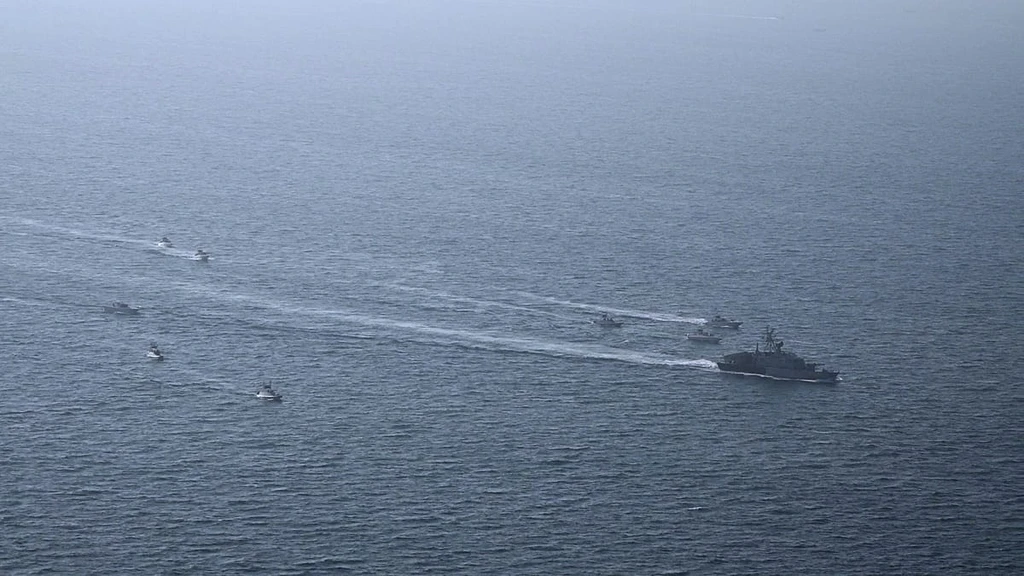
Global oil markets are on edge following joint US-Israeli strikes against Iran, a move that threatens to disrupt crude oil supply and drive prices higher. Iran, historically a significant oil producer, has repeatedly warned of blocking the Strait of Hormuz, a vital route for oil exports. While sanctions have reduced Iran's output from its peak, it remains a top ten global oil producer with low extraction costs.
China is a major consumer of Iranian oil, with most exports directed to its refineries. However, the most significant risk to oil markets stems from Iran's threats to close the Strait of Hormuz. In 2024, approximately 20 million barrels of crude oil passed through this critical maritime corridor daily, representing nearly 20 percent of global liquid oil consumption. The strait's depth and width accommodate the largest tankers, and limited alternative routes exist for oil transit if it is closed.
Tensions have escalated amid ongoing negotiations over Iran's nuclear activities. Iran recently increased warnings to the US regarding its regional military presence and conducted live-fire drills, temporarily closing the Strait of Hormuz.