US and Iranian officials are set to formally sign a ceasefire agreement this Friday in Switzerland, aiming to end four months of hostilities that disrupted global energy markets. The deal mandates reopening the Strait of Hormuz, lifting the US naval blockade on Iranian ports, and establishing a 60-day framework for nuclear negotiations.
President Trump authorized the blockade removal following mediation by Pakistani Prime Minister Shehbaz Sharif. Parliament Speaker Mohammad Bagher Qalibaf represented Iran during talks. Maritime traffic has already resumed through the critical shipping chokepoint ahead of the formal ceremony.
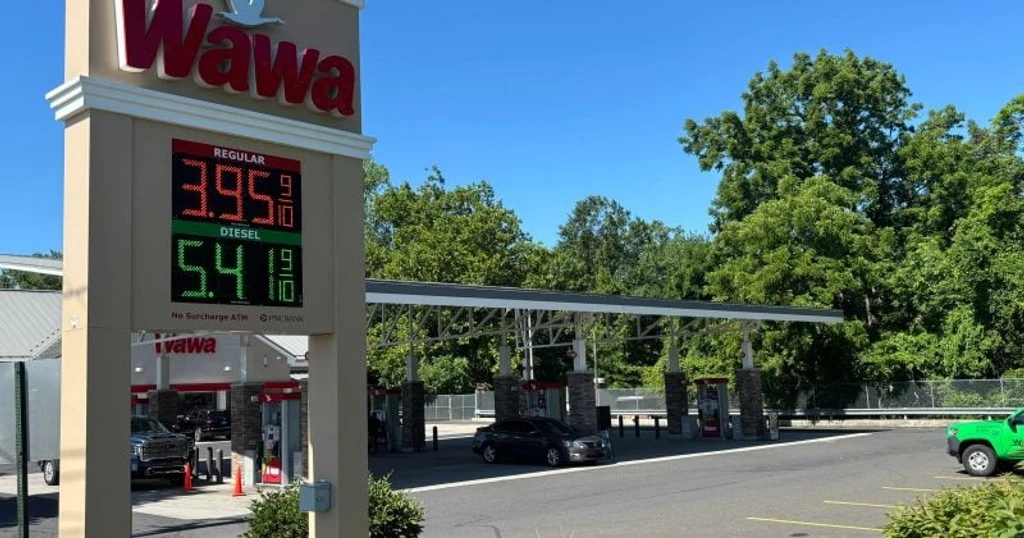
Oil benchmarks fell approximately $4 per barrel to around $80 following the announcement. While US gasoline prices dipped below $4 per gallon, analysts caution that meaningful normalization requires months. Production ramp-ups and logistical unwinding coincide with peak summer driving demand.
High energy costs previously drove inflation across transportation and manufacturing sectors. The 60-day nuclear negotiation window introduces significant uncertainty; failed talks could trigger immediate market repricing. Lower energy costs also relieve operational pressure on Bitcoin proof-of-work miners, potentially stabilizing network economics.
Investors should monitor tanker traffic, refinery utilization, and inventory reports to gauge actual supply recovery. These metrics will determine if the diplomatic breakthrough translates into sustained relief at the pump.