The June Consumer Price Index brought encouraging news. Month-over-month inflation fell 0.4%, the largest single-month drop since April 2020. The annual rate decreased to 3.5%, coming in well below forecasts.
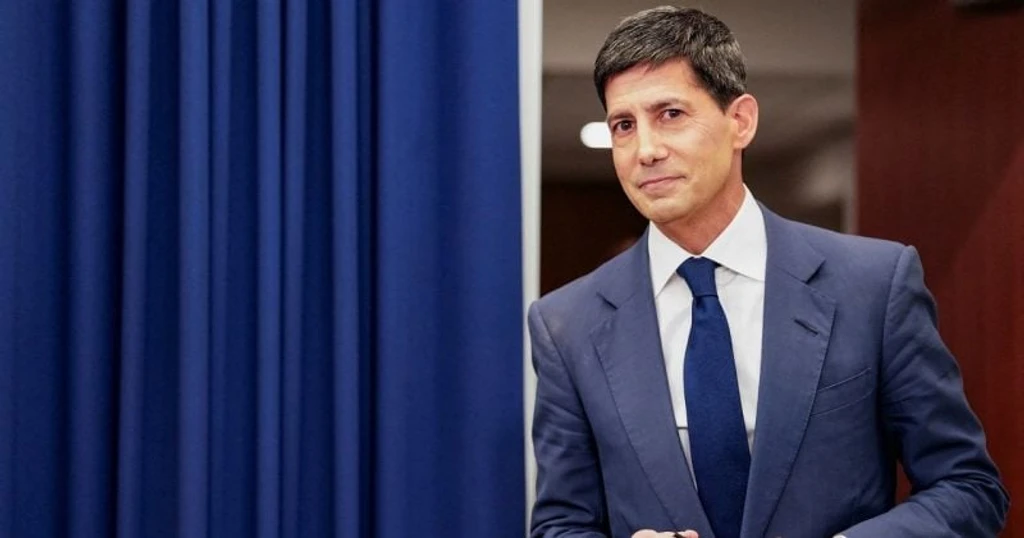
However, new Federal Reserve Chair Kevin Warsh delivered a clear message in his first major testimony. He characterized inflation as "persistently elevated," signaling the central bank is not yet ready to ease its policy stance.
Warsh is not alone in this view. Projections from the June meeting of the Federal Open Market Committee showed that nine of its eighteen members anticipate at least one interest rate increase before the end of 2026. This represents a hawkish consensus even as inflation measures improve.
The Chair also indicated a change in communication strategy, describing the Fed's recent statement as "shorter and simpler." This shift reduces explicit forward guidance, requiring markets to navigate with less certainty about the central bank's future actions.
For financial markets, particularly risk assets like cryptocurrencies, this outlook creates a complex environment. A potential rate hike amid declining inflation would push real interest rates higher. This dynamic typically makes traditional assets like U.S. Treasuries more attractive compared to non-yielding assets such as Bitcoin.
A more hawkish Fed could also strengthen the U.S. dollar, historically a headwind for cryptocurrency prices. Market participants are advised to monitor real yields and the dollar index closely, as these indicators may signal a significant repricing of risk assets if rate hikes materialize in the latter half of 2026.