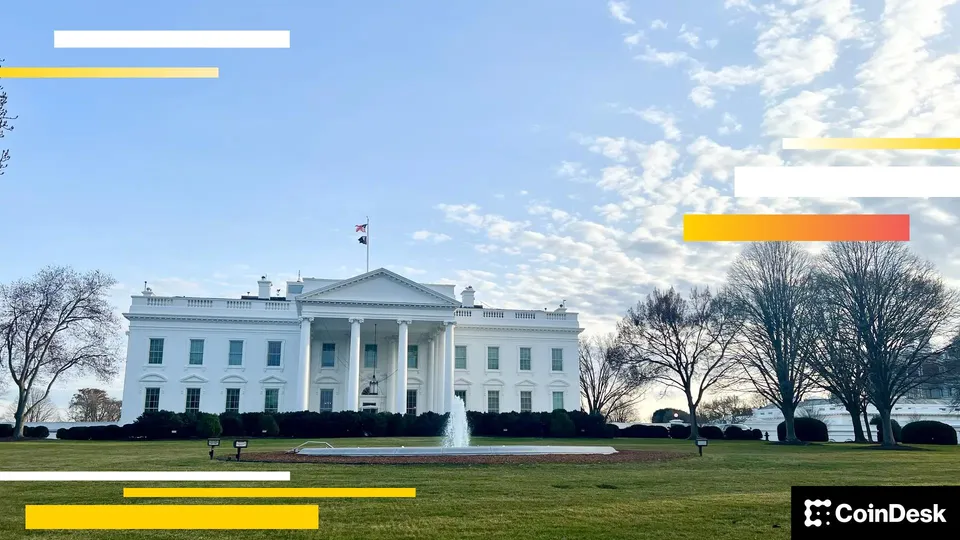
The White House is pressing financial institutions to accept a deal that includes limited stablecoin rewards, a move intended to advance the crypto market structure bill. Discussions at a recent working session clarified that certain reward programs will be included in the next draft of the legislation.
This negotiation centers on a critical section of the U.S. Senate's Digital Asset Market Clarity Act, a primary policy goal for the crypto industry. The revisions under consideration aim to update a previous law, the Guiding and Establishing National Innovation for U.S. Stablecoins (GENIUS) Act.
In the third such meeting, White House advisors signaled that while some rewards for specific activities and transactions are acceptable, those for stablecoins resembling deposit accounts will not be. The White House, led by crypto adviser Patrick Witt, urged a swift resolution to keep the legislation moving.
Bankers have expressed concerns that stablecoin rewards could threaten their core business model, which relies on interest-bearing customer deposits. Participants privately indicated optimism that a compromise is nearing.
"Today's meeting at the White House was a constructive step forward in resolving outstanding issues related to rewards and keeping market structure legislation on track," stated Blockchain Association CEO Summer Mersinger.
Failure by banks to agree to limited rewards would revert to the more permissive GENIUS Act. Their acceptance, however, is expected to garner renewed support from hesitant senators. This issue remains one of several outstanding points requiring negotiation within the Clarity Act.
Disagreements also persist over Democratic demands for enhanced protections against illicit actors in decentralized finance (DeFi). Additionally, Democrats are pushing for a ban on senior government officials engaging directly with the crypto industry, a stance seen as targeting President Donald Trump, and for filling vacancies on the Commodity Futures Trading Commission and Securities and Exchange Commission.
These significant Democratic concerns remain unresolved. While Senate committees may advance the bill, final Senate approval hinges on bipartisan consensus, particularly securing Democratic support.