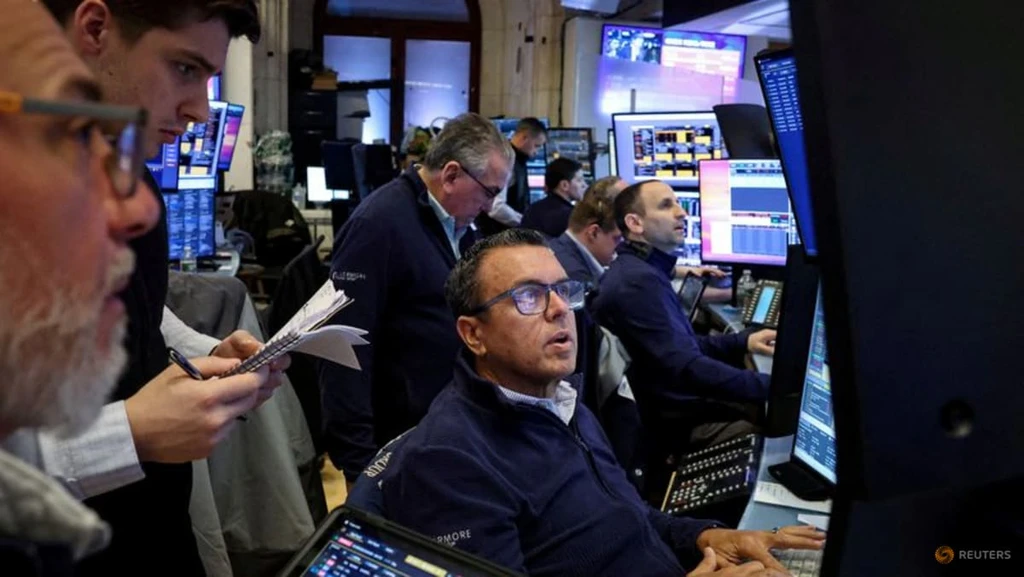
Wall Street opened lower Thursday as the Iran conflict escalated, driving up oil prices and the dollar, and triggering a selloff in global bond markets.
Asian stocks initially surged after South Korea's president ordered market support, but European markets gave up gains. Iran's missile launches and intensified bombing, following U.S. air assaults, created significant market uncertainty.
U.S. Energy Secretary Chris Wright described the conflict's impact on energy markets as a "small price" for military goals, while IMF head Kristalina Georgieva warned it's testing the global economy. Saxo Bank's John Hardy noted that markets appear unprepared for a prolonged conflict.
Brent crude neared $85 a barrel, pressuring the euro, pound, and benchmark government bonds. Royal London Asset Management's Trevor Greetham pointed to doubts over U.S. President Donald Trump's pledge to insure oil tankers against attacks.
South Korea's KOSPI index closed up nearly 10%, reversing earlier losses after a $68 billion market stabilization fund was activated to smooth volatility. Japan's Nikkei and Chinese shares also climbed.
Concerns over energy supply intensified as Brent crude gained over 15% since weekend strikes. Ship-tracking data shows oil tankers halted in the Strait of Hormuz. Surging natural gas prices are leading bond investors to reconsider rate cut expectations.
The yield on U.S. 10-year notes rose, and European bond markets braced for significant weekly selloffs, with traders seeing a higher chance of an ECB rate hike by December.
The dollar resumed its gains against a basket of currencies, while the euro and yen weakened. Gold prices saw choppy trading.
European Central Bank officials are expected to provide insights into how the current situation may influence policy. German Bundesbank chief Joachim Nagel warned of potential inflation and growth impacts from a prolonged war in Iran.