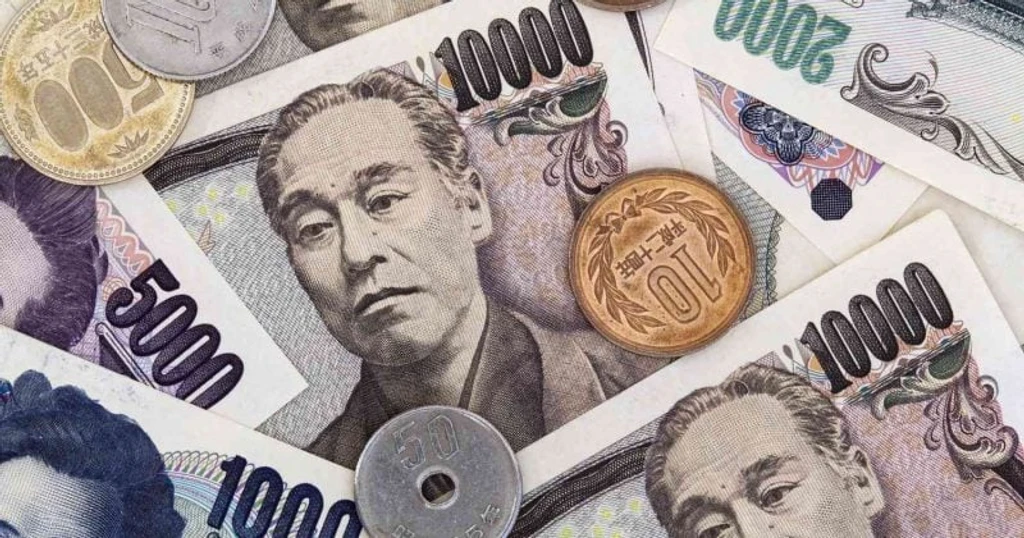
The Japanese yen is at its weakest level against the dollar since 1986. This persistent slide is driven by the wide interest rate gap between the hawkish Federal Reserve and the Bank of Japan's accommodative policy. Speculative short positions in yen futures are at record highs.
Despite massive currency interventions by Japanese authorities totaling over $73 billion earlier this year, the downtrend continues. Traders pay elevated premiums for options contracts that protect against sharp, volatile moves in either direction.
The upcoming July 4th holiday in the US creates a critical liquidity vacuum. Bond markets close early, equity volumes drop, and FX desks operate with skeleton crews. This low-volume environment is where Japanese authorities have historically acted, amplifying any intervention's effect.
The risk extends globally. A sudden yen strengthening would unwind popular carry trades, where investors borrow cheap yen to buy higher-yielding assets. Past unwinds have triggered selling across risk assets, including cryptocurrency, as positions are liquidated to repay yen loans.
For investors with exposure to risk assets, the period around the US holiday carries elevated tail risk from currency positioning dynamics, not from crypto-specific events.