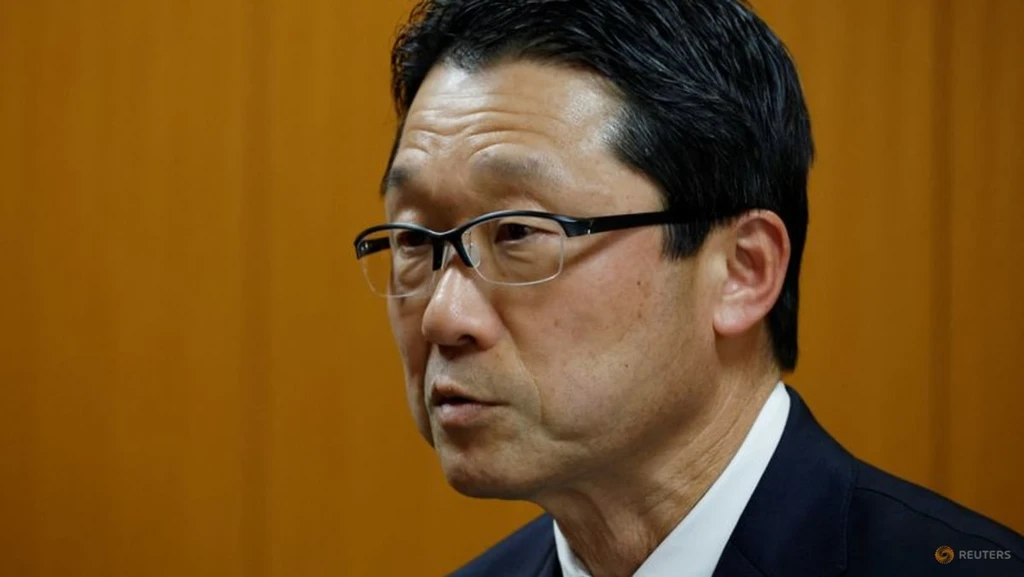
TOKYO - Japanese companies should rely less on defensive tactics and more on clear communication of long-term growth strategies to fend off short-term activist investors, says Financial Services Agency (FSA) Commissioner Yutaka Ito.
Ito acknowledged that some activists seek to divert capital needed for future investment toward immediate shareholder payouts-a trend amplified by the FSA’s push for better capital efficiency. "Preventing this through regulation is difficult," he said. "The most effective response is to clearly explain why capital is needed for growth. If investors understand, activists rarely gain dominance."
Japanese firms have historically held large cash reserves, drawing criticism for poor capital efficiency. In 2022, the Tokyo Stock Exchange urged listed companies to improve returns, sparking buybacks and dividend hikes-but not a meaningful rise in business investment.
This year, the FSA plans to revise Japan’s corporate governance code to pressure firms into actively deploying cash for growth rather than hoarding it. "There is no end to corporate governance reform," Ito noted.
On private credit risks, Ito said the FSA sees no concrete spillover to Japanese banks yet but continues close monitoring of their exposures and risk management.