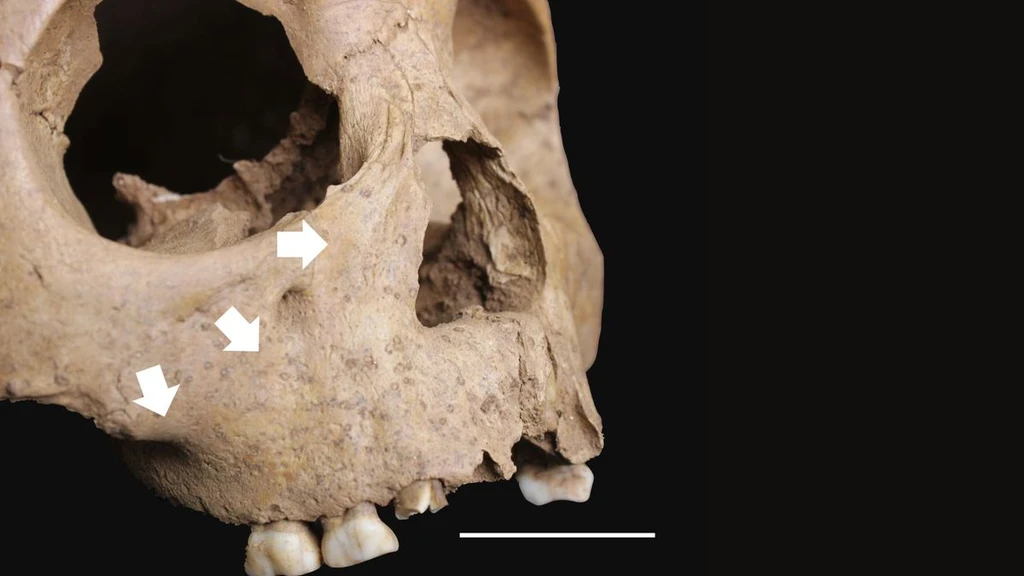
Archaeologists in Vietnam have uncovered skeletal evidence of a syphilis-like disease in children dating back 4,000 years. The study, published in the International Journal of Osteoarchaeology, identifies congenital treponematosis in three young individuals from the Neolithic period.
The findings challenge the Columbus hypothesis, which claims syphilis originated in the Americas. Researchers found lesions consistent with congenital infection in children aged 18 months to 5 years, including one from An Son, southern Vietnam, and two from Man Bac in northern Vietnam.
These ancient teeth showed signs of stunting and malformation, indicating severe developmental impact. Experts believe this disease was passed from mother to child, not sexually, and could have been introduced by early migrations from China.
The study notes that DNA preservation is difficult in tropical regions like Southeast Asia, limiting further investigation. However, the evidence strongly undermines assumptions about syphilis's origin and highlights regional migration patterns.
Researchers emphasize the ethical responsibility of handling human remains and note that Africa remains under-researched regarding treponemal diseases.