Bird populations are experiencing an accelerated decline in three key U.S. regions: California, the Midwest, and the Mid-Atlantic. A new study, analyzing data from 1987 to 2021, found these losses are linked to high-intensity agriculture.
Scientists observed that across these areas, bird numbers are decreasing at a faster rate than previously documented. Lead author François Leroy of The Ohio State University stated, "We see that this decline is getting faster and faster with the intensification of human activities."
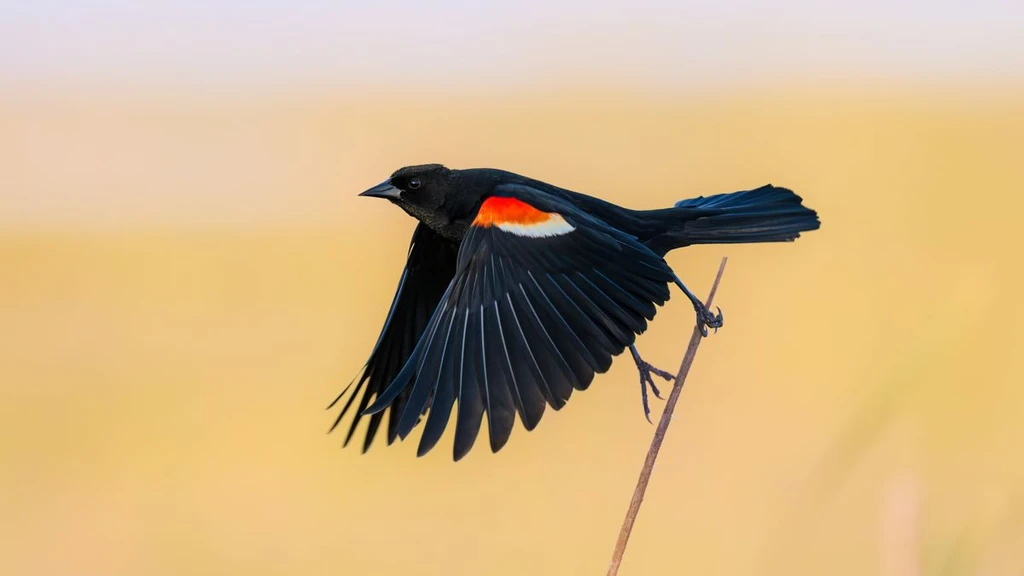
The study, which utilized data from the North American Breeding Bird Survey, examined 261 bird species. Overall abundance dropped by at least 15%, with significant declines and accelerated losses reported in a substantial portion of species. Common native birds like red-winged blackbirds and house finches are among those experiencing this accelerated decline.
Researchers correlated bird population drops with factors such as temperature, rainfall, and land-cover changes. The acceleration in decline coincided with extensive croplands and increased use of fertilizers and pesticides, indicating intensive farming practices are a primary driver.
While these findings present a worrying trend, some localized increases in forest bird populations were noted, likely due to reforestation efforts. A small area north of the U.S.-Canada border also saw an overall increase in bird abundance.