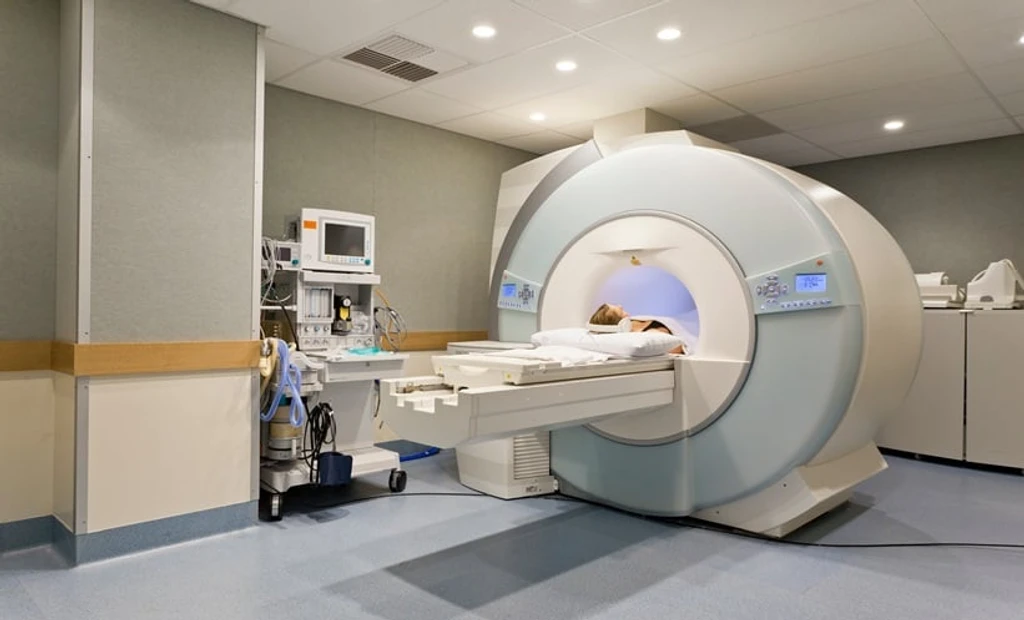
A recent study demonstrates that intrauterine foetoscopic repair of spina bifida significantly improves foetal brain oedema and hindbrain herniation. Findings presented by Maximilian Schulze and colleagues highlight the critical role of MRI in assessing surgical outcomes.
The research analyzed 31 patients with myelomeningocele (MMC) or related defects. Pre-operative MRI showed significant issues, including hindbrain bulging, brain oedema, and aqueductal stenosis in most patients. Postoperatively, bulging and oedema decreased dramatically. However, aqueductal obstruction and certain brain abnormalities persisted in some cases.
A strong correlation was observed between postoperative hindbrain herniation and brain oedema. The study suggests foetoscopic repair is effective in reducing these issues in utero, but careful MRI follow-up is crucial to manage ongoing obstructions and anticipate potential complications.