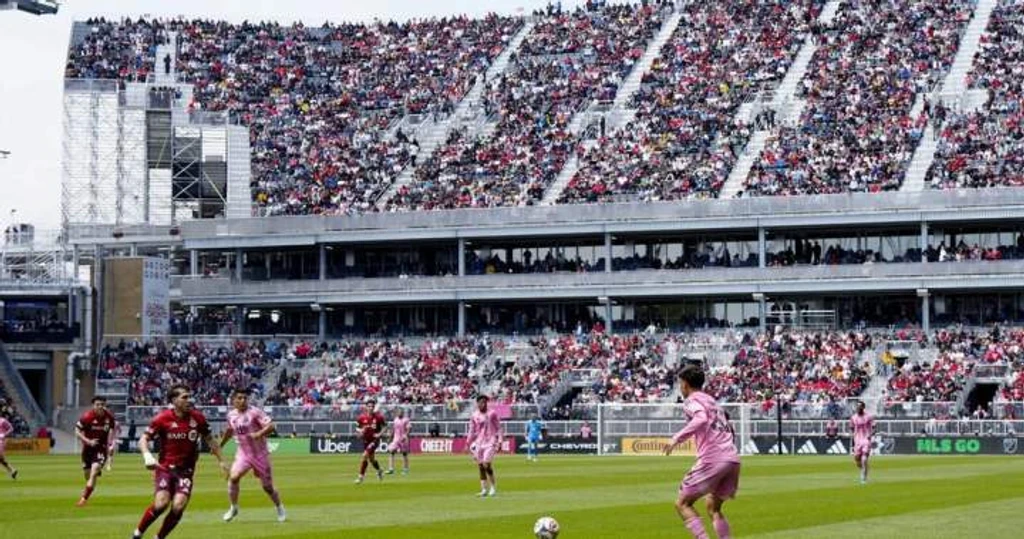
As the FIFA World Cup kicks off in Toronto, city health officials have activated a comprehensive security and medical preparedness network designed to manage a five-week influx of international visitors. Toronto Public Health is deploying advanced wastewater surveillance around stadiums and fan zones to detect early signals of norovirus, measles, and mpox. While the federal government has enacted temporary travel restrictions for visitors from Ebola-affected regions, local authorities emphasize that gastrointestinal and respiratory illnesses remain the primary concern. Officials are strongly advising all attendees to verify their measles vaccination status before entering crowded venues.
To mitigate food-borne outbreaks, Toronto Public Health has launched a mandatory registration portal for all vendors, deploying inspectors across fan festivals to enforce strict handling protocols. On the clinical front, Toronto hospitals have synchronized Code Orange mass-casualty plans. Led by Sunnybrook Health Sciences Centre, more than 30 regional medical facilities recently conducted a full-scale drill simulating a crowd surge and burn incident. The exercise tested rapid bed clearance, elective surgery cancellations, and trauma unit mobilization for nearly 300 simultaneous patients.

Emergency coordinators have also established Family Information Support Centres to streamline patient tracking and reunification, working directly with law enforcement to prevent hospital bottlenecks. With protocols stress-tested and surveillance active, Toronto’s medical infrastructure is positioned to handle the tournament’s operational demands while allowing fans to focus on the matches.