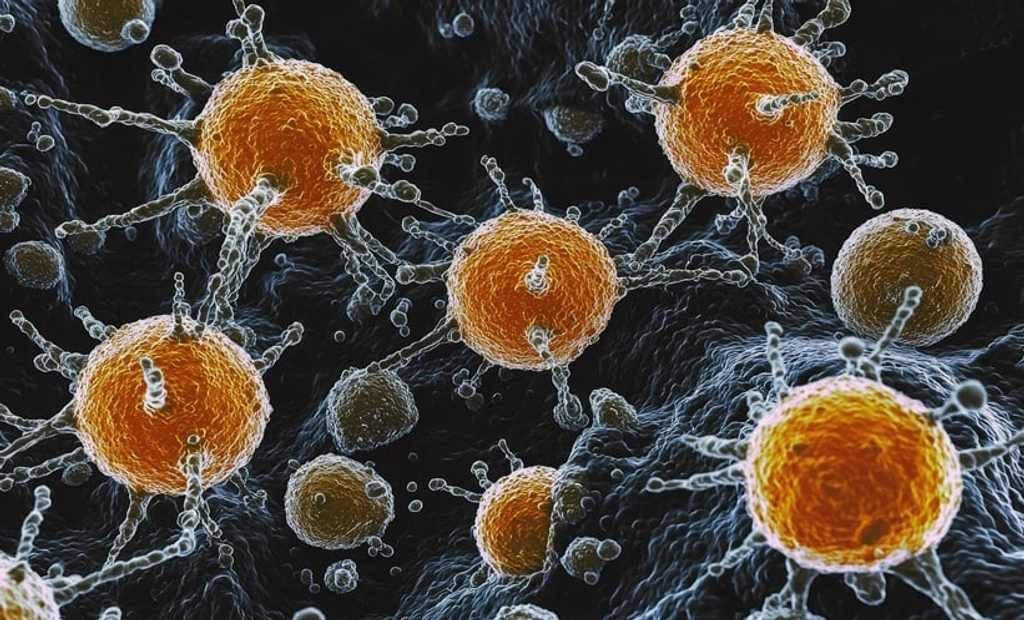
New research indicates that Natural Killer (NK) cells significantly contribute to cardiac damage and worsen outcomes following a heart attack (myocardial infarction). While inflammation is a known factor in heart failure, the specific role of cytotoxic immune cells like NK cells was previously unclear.
The study found that NK cell activity escalates rapidly after acute cardiac injury. In animal models, these cells were drawn to the injured heart tissue and became activated. Activated NK cells release granzyme B, a substance that directly causes the death of heart muscle cells (cardiomyocytes), amplifying damage and leading to impaired heart function. Experiments showed that removing NK cells reduced cell death and improved cardiac function, while boosting their activity worsened injury.
These NK cell responses extend beyond the heart, influencing broader immune system processes. The research suggests a link between cardiac injury and systemic immune activation. Analysis of human heart tissue from heart attack patients revealed a specific NK cell signature in the early stages, supporting the relevance of these findings to human disease.
While the study was primarily conducted in animal models, the findings position NK cells as a potential therapeutic target. Modulating this immune response could offer a new way to reduce cardiac damage and improve recovery after heart attacks.