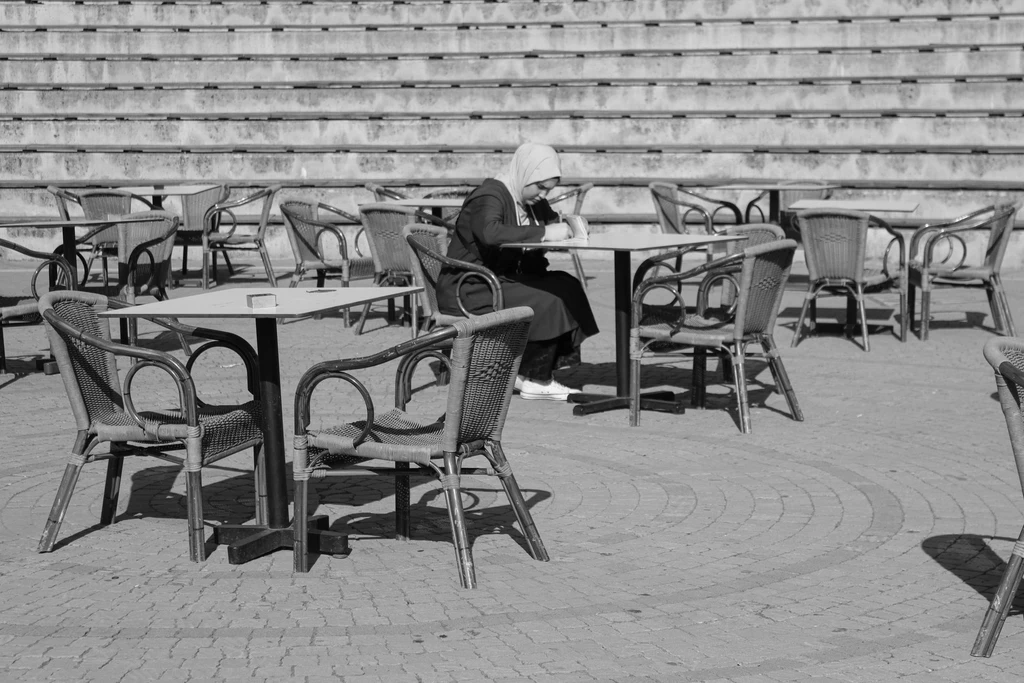
A distinct form of loneliness emerges for professionals in their thirties and forties. It is not caused by abandonment or loss, but by outgrowing the conversations available within established social circles. Friendships remain intact and calendars stay full, yet individuals experience a profound internal disconnect when interacting with people who have known them for decades.

This phenomenon represents a mismatch in developmental pace. One individual may reorganize their interior life through therapy, career shifts, or personal growth, while their peers remain static. The relationship persists, but the foundational conversations no longer fit. Existential psychotherapy distinguishes this state as existential aloneness rather than social isolation. It is the recognition that conscious experience is irreducibly separate, even in the presence of affection and familiarity.
Long-held beliefs about lifelong friendship often obscure this reality. Relationships forged in youth frequently survive based on longevity rather than current resonance. Friends may unconsciously reinforce outdated versions of identity, forcing individuals to perform a past self during social interactions. This performance creates exhaustion that the body registers before the mind acknowledges it.

Emerging epidemiological data supports this distinction. Longitudinal studies involving over 10,000 older adults across Europe indicate that perceived loneliness correlates more strongly with cognitive decline than objective social isolation. The subjective sense of being unmet impacts the nervous system regardless of social frequency. This creates a form of disenfranchised grief, as there is no cultural ritual for mourning a friendship that continues but ceases to hold one's current reality.
Navigating this transition requires adjusting expectations. Resilient individuals stop expecting single relationships to meet every emotional register. They distribute their needs across different connections and cease concealing their developmental drift. Rather than performing an old self, they allow silences to exist and ask questions aligned with their current interests. The resulting loneliness is not a failure of community, but evidence of continued growth in environments built for a previous iteration of self.