
For decades, the narrative suggested that the "empty nest" would bring freedom. The reality is far more complex. A significant cohort of adults in their early 50s is experiencing profound isolation, driven by the simultaneous departure of children and the increasing dependency of aging parents.

This period is defined by role loss. After twenty years of absorbing parental identities, individuals find themselves without their primary social function. Simultaneously, they assume the burden of caregiving for elderly relatives. Data from the U.S. Office on Women’s Health indicates that over 44 million Americans provide unpaid care, with women bearing the brunt of severe emotional and physical strain.
The consequences extend beyond emotional distress. Recent studies published in Aging & Mental Health link sustained midlife loneliness to worse memory performance and accelerated cognitive decline. Experts warn that social connection patterns established in this decade may determine brain health outcomes decades later.
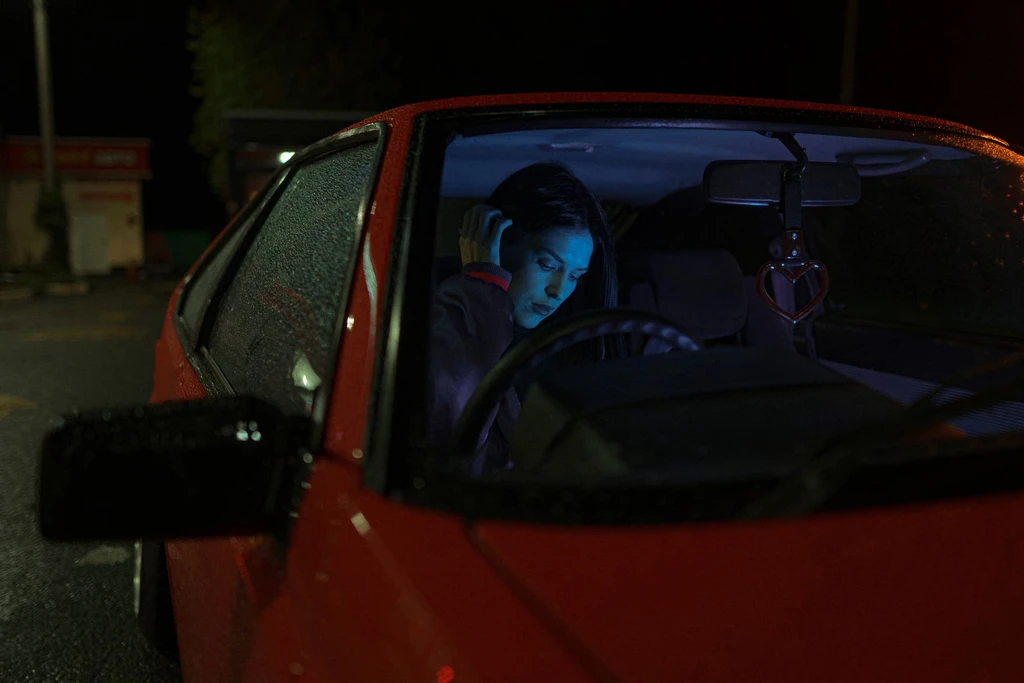
Marriages often struggle during this transition, as couples who relied on shared child-rearing logistics face reinvention without sufficient energy or communication frameworks. The cultural script fails to address this seven-year stretch, leaving many feeling uniquely broken when they are simply navigating a structural life phase.
Recovery requires active problem-solving, concrete support networks, and grief work for roles that have ended without ceremony. This quiet period is not an ending, but the critical infrastructure for the second half of life.