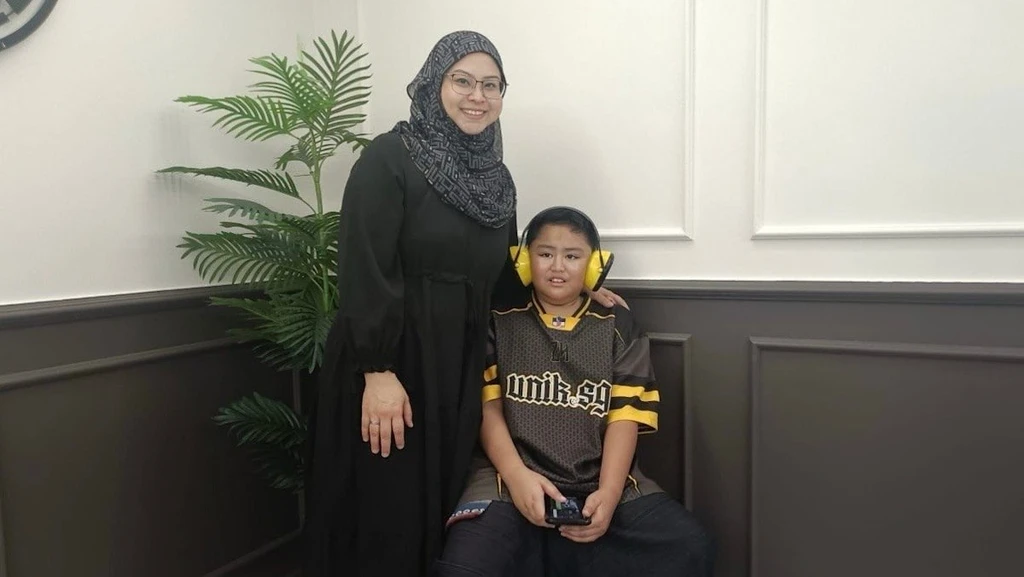
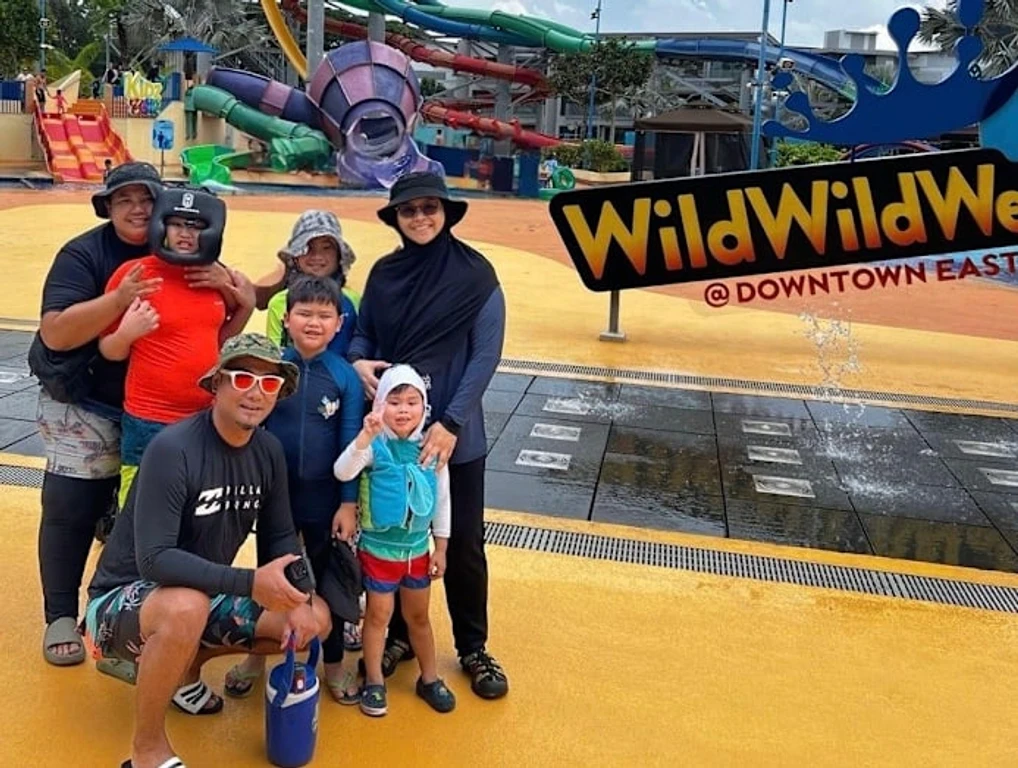
For Seri Amalia Khairil, a routine trip to the swimming pool with her non-verbal 13-year-old son, Darwisyh, is a meticulously planned operation. Two years ago, a meltdown at a public pool over leaving left her pleading with onlookers: "Sorry, he has autism." When the stares continued, she added: "If you don’t know what autism is, you can read about it."
Darwisyh was diagnosed with autism at age three. The family's entire life revolves around his care, which requires constant vigilance. Simple outings are limited and require a team, as Darwisyh struggles with sensory overload and communication. Seri, a psychiatric nurse at the Institute of Mental Health (IMH), recalls being judged and shunned in public, which led her family to isolate him further.
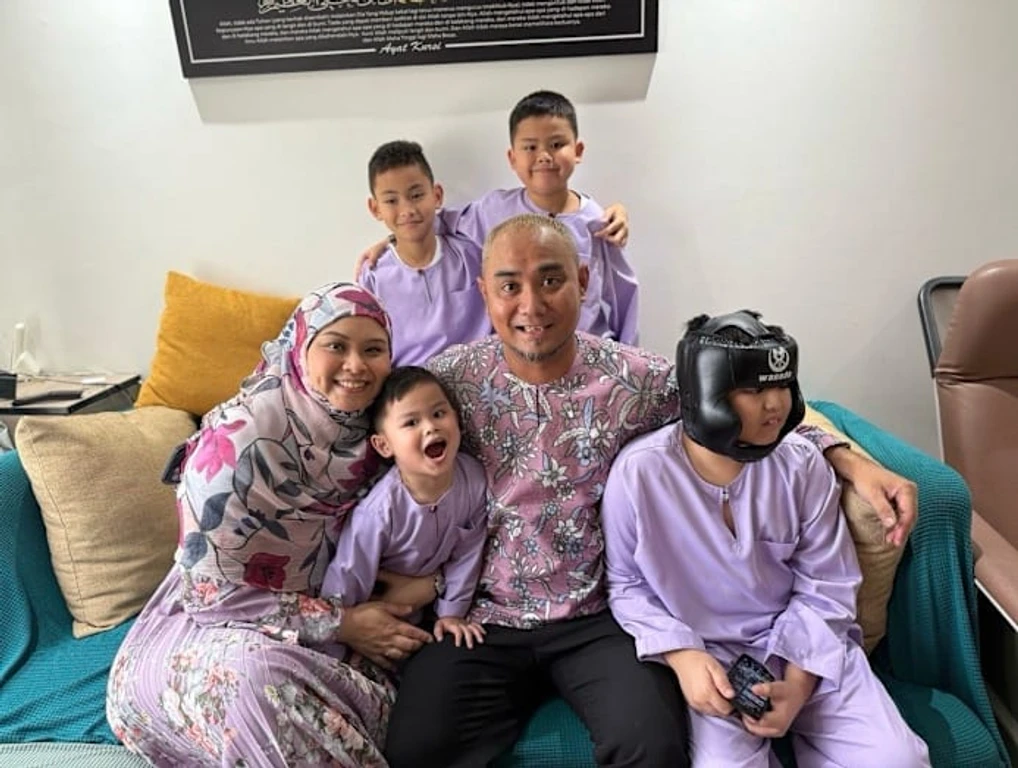
Autism is an invisible disability, often mistaken for bad behavior. Seri campaigns for greater awareness, noting recent corporate initiatives like Mastercard's Time for Acceptance with St. Andrew’s Autism Centre. These efforts aim to create calmer, more accessible public spaces. Her message to the public is simple: offer a smile instead of a stare. "That is a silent acknowledgement that it’s okay for us to be here," she says.