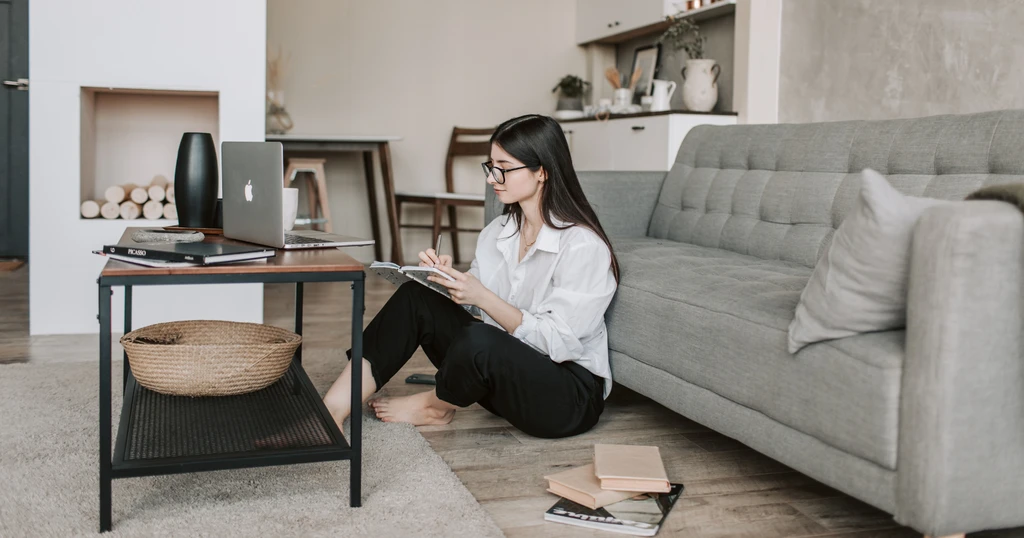
Psychology suggests the room where you feel most yourself, often not your favorite, reveals profound insights into your core attachment needs. This "comfort room" acts as a mirror to your primary emotional regulation strategy, learned in childhood. If you retreat to a closed bedroom, you may have a self-soothing attachment style favoring solitude. Conversely, gravitating to communal spaces, even when alone, indicates a need for regulation through ambient social connection.
The disconnect between your "favorite" room and your actual comfort zone highlights internal attachment conflicts. This often stems from competing needs for independence versus connection, or control versus spontaneity. Your clutter patterns also offer clues: areas where you tolerate mess often signal where you feel safest to let your guard down, while pristine spaces might indicate vulnerability.
Furthermore, using rooms for unintended purposes, like eating in the bedroom or working in the kitchen, suggests attempts to meet unmet attachment needs in "proper" contexts. Decorating paralysis can point to fears of commitment, permanence, or claiming space, especially if past experiences involved frequent moves or dismissed preferences.
Finally, preferences for bright, open spaces versus cozy, dim corners map to social attachment styles. Anxious styles might prefer visibility for hypervigilance, while avoidant styles may create cave-like environments to reinforce emotional boundaries. Honoring your instincts about where you feel most yourself can lead to a greater sense of safety, regulation, and wholeness.