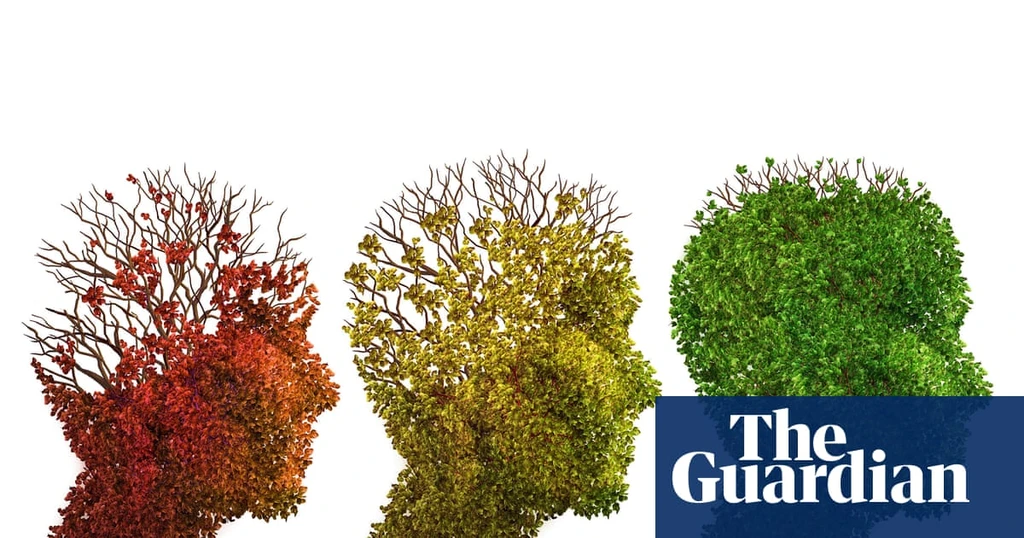
A growing chorus of caregivers and clinical experts is challenging prevailing attitudes toward dementia care, arguing that patients are frequently underestimated following diagnosis. Advocates emphasize that individuals retain significant capacity for engagement, learning, and emotional connection long after cognitive decline begins. The consensus suggests society must shift focus from inevitable deterioration to preserving dignity and human connection through active social participation.
Clinical psychologists warn that health systems often fail to provide necessary emotional adjustment support post-diagnosis. While memory clinics offer limited practical information, they rarely address the psychological impact of the disease due to outdated assumptions about patient awareness. Researchers at UWE Bristol note that access to vital peer support programs remains inconsistent across regions, leaving many newly diagnosed individuals isolated and frightened without adequate professional guidance.
Systemic structural issues further complicate care delivery. Long-term caregivers report that health and social care staff have become increasingly risk-averse, prioritizing safety over autonomy. A critical financial bottleneck persists as dementia needs are frequently classified as social care rather than health care, shifting substantial costs onto families. Stakeholders await findings from the Louise Casey commission on social care, hoping for bipartisan solutions to this fragmented funding model.
Debate continues regarding the utility of early diagnosis for incurable conditions. Contrary to advocacy comparing dementia to cancer, some families argue that early detection without effective treatment can precipitate severe depression and rob patients of quality time. Personal testimonies reveal that foreknowledge of an untreatable decline often leads to years of psychological distress rather than proactive planning, particularly when medical and charitable support systems remain inadequate for managing the long-term reality of the disease.